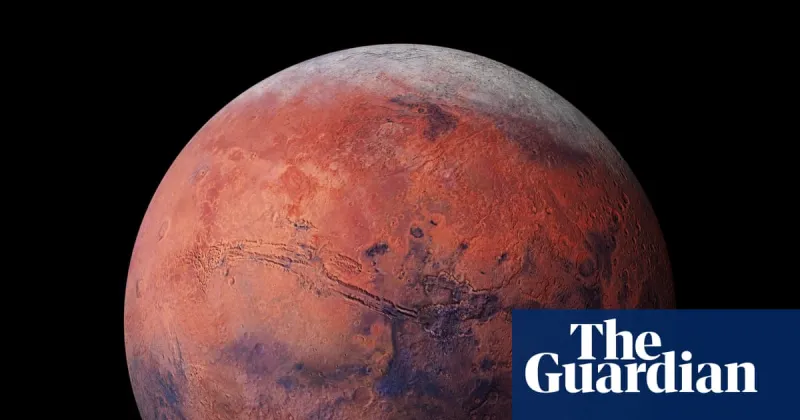
On July 20, 1976, NASA's Viking 1 became the first U.S. spacecraft to successfully land on Mars and return images from the surface. As the 50th anniversary is marked today, a renewed debate has emerged among scientists: did the Viking landers actually detect signs of microbial life, only to have the evidence dismissed?
The Viking program included two landers that conducted three biology experiments designed to look for metabolic activity in Martian soil. One experiment, the Labeled Release (LR) experiment, produced positive results that some researchers argue were consistent with microbial metabolism. However, the lack of detected organic compounds by the gas chromatograph-mass spectrometer (GCMS) led NASA to conclude the results were likely due to non-biological chemical reactions.
Recent studies have challenged this conclusion. In 2018, a paper by Giorgio Bianciardi and colleagues suggested that the LR data showed patterns similar to those seen in terrestrial microbial cultures. Additionally, the discovery of perchlorates in Martian soil by the Phoenix lander in 2008 may explain the GCMS's failure to detect organics, as perchlorates can break down organic molecules when heated.
As of 2026, no definitive evidence of past or present life on Mars has been confirmed. NASA's Perseverance rover, which landed in 2021, is collecting samples for future return to Earth, which may provide clearer answers. The Viking anniversary serves as a reminder of the enduring question: did we already find life on Mars 50 years ago?