Stromatolites, layered rock structures built by microscopic microbes, are considered the oldest evidence of life on Earth, with fossilized examples dating back over 3.5 billion years. These formations are created as communities of cyanobacteria, also known as blue-green algae, trap and bind sediment in shallow water, slowly building up limestone layers over immense timescales.
While ancient stromatolites were once widespread, today they exist in only a few locations with extreme conditions that limit grazing animals. Notable living examples are found in Shark Bay, Western Australia, and in the Bahamas. Scientists study these modern analogues alongside the ancient fossil record to understand the early Earth's environment and the transition from simple microbial life to more complex organisms.
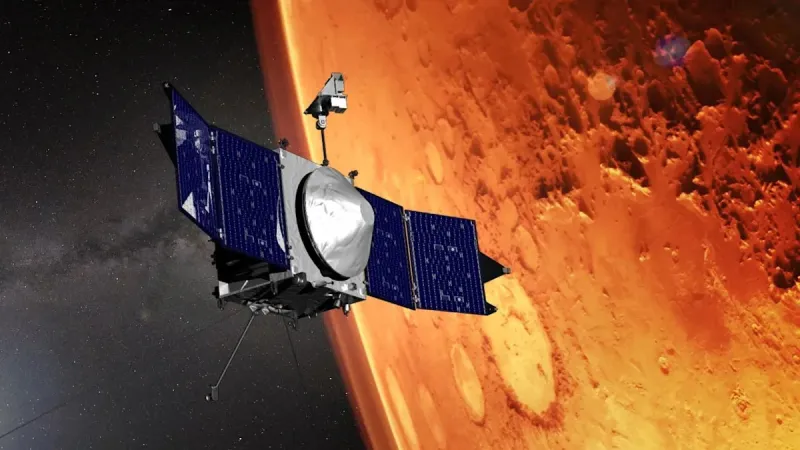
Research into stromatolites is crucial for astrobiology, helping define biosignatures for the search for life on other planets like Mars. The structures provide a tangible record of how photosynthetic microbes began producing oxygen, fundamentally changing the planet's atmosphere and paving the way for complex life.