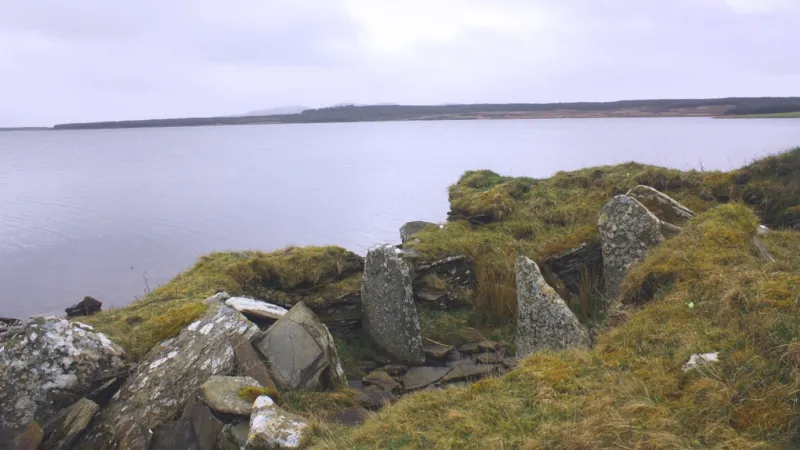
A new DNA study of Neolithic tombs in northern Scotland has revealed that Stone Age communities buried biologically related males together across generations, while females were not. The research, published in the journal Nature on April 14, 2026, analyzed genomes from human remains at sites like the Cuween Hill and Quanterness cairns in Orkney.
The findings indicate a patrilineal system where male relatives were interred in the same monumental tombs, creating "webs of descent" that connected different archaeological sites. This suggests kinship and descent were central to these early farming societies. The study's authors note that the women found in the tombs were not genetically related to the male lineages, pointing to a practice where women may have moved between communities.
The research, led by an international team, provides the first detailed genetic evidence of family structures in Neolithic Britain. It helps explain how these large, labor-intensive tombs functioned as focal points for specific male lineages over centuries, shaping social organization around 5,000 years ago.