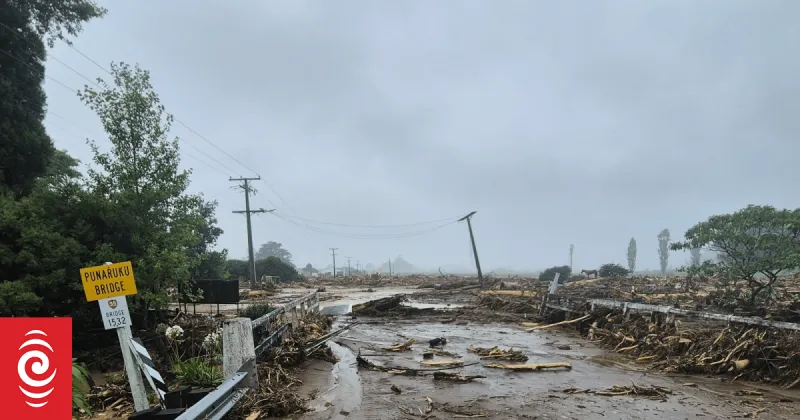
New Zealand is confronting the complex reality of managed retreat as climate change accelerates coastal erosion and sea-level rise, forcing difficult decisions about the future of vulnerable communities. A 2020 report by the Ministry for the Environment projected that at least 10,000 homes near the coast are at risk from sea-level rise, with associated infrastructure costs potentially reaching billions of dollars. The government has established a Climate Adaptation Act to create a legal framework for managed retreat, but the process remains fraught with financial, social, and cultural challenges.
Local councils, such as those in South Dunedin and the Kapiti Coast, are already developing adaptation plans that may include abandoning some areas. The financial burden is immense, involving property buyouts, the relocation of infrastructure like roads and pipes, and the creation of new zoning rules. For many residents, the emotional and spiritual cost of leaving multigenerational family homes and culturally significant sites, particularly for Māori communities (iwi and hapū), is profound.
The national conversation increasingly acknowledges that not all coastal land can be saved. Experts emphasize that delaying decisions only increases future costs and risks. The situation underscores a global climate adaptation challenge, positioning New Zealand as a case study in navigating the practical and ethical dimensions of retreating from the coast.