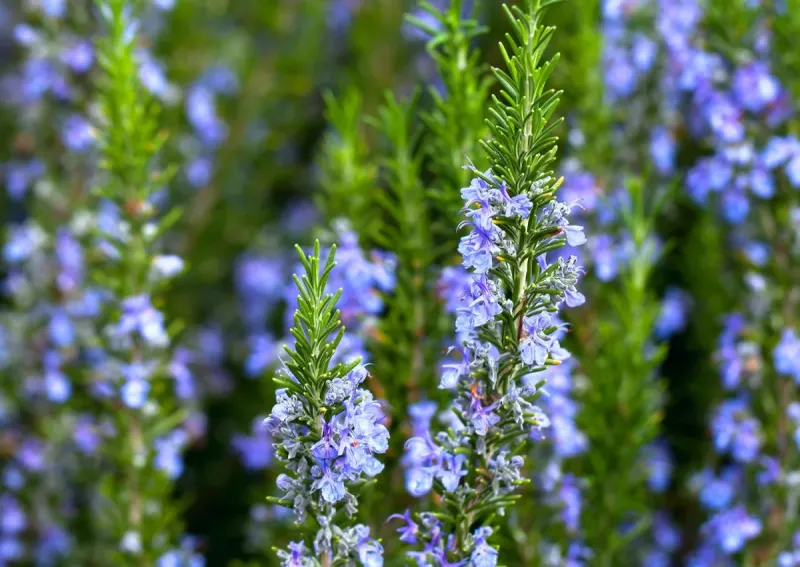
Recent rainfall across Morocco has brought a resurgence of wild aromatic and medicinal plants, following years of severe drought that had threatened both the flora and the livelihoods dependent on it. The drought, which peaked in 2024 and was Morocco's worst in decades, had drastically reduced the growth of key species like thyme, rosemary, and lavender in mountainous regions.
The revival is critical for rural communities and cooperatives, particularly women, who harvest these plants for use in cosmetics, traditional medicine, and the culinary sector. The drought had forced many harvesters to travel farther and work harder for diminished yields, impacting a significant part of the informal economy.
While the rains in early 2026 have improved conditions, experts caution that the recovery is fragile. Climate change poses a long-term threat to these ecosystems, and sustainable harvesting practices are increasingly emphasized to prevent overexploitation of the revived plants.
The situation underscores the vulnerability of Morocco's agricultural and natural resources to climate variability. The renewed growth offers a temporary reprieve, but long-term strategies for water management and conservation are seen as essential for the sector's future resilience.