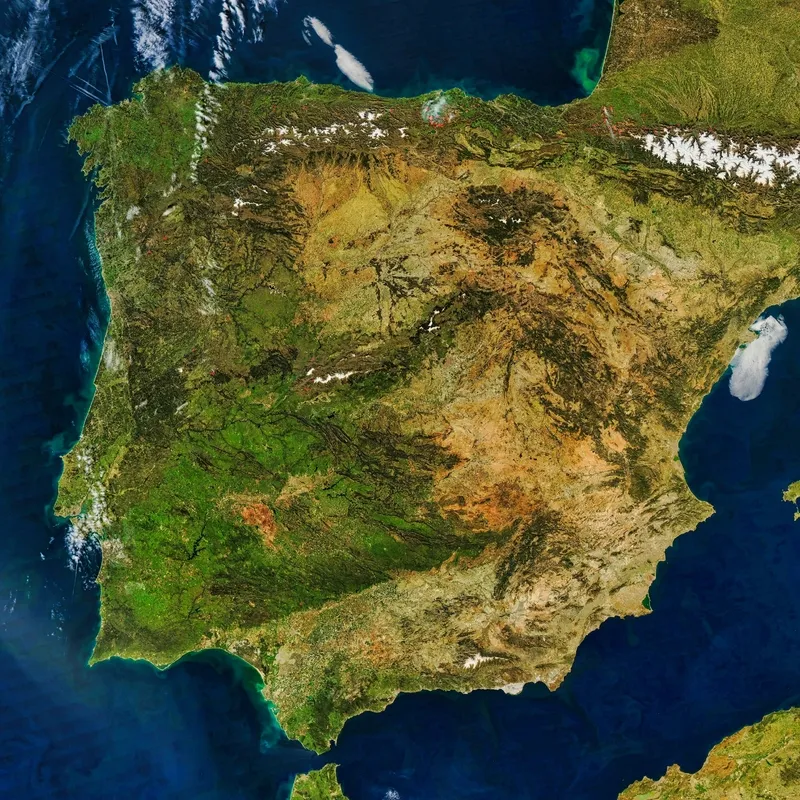
A new scientific study, published in the journal Earth System Dynamics, projects significant and potentially irreversible changes for the Mediterranean Sea due to climate change. The research, which synthesizes data from multiple climate models, indicates the basin is warming and becoming saltier at rates exceeding global ocean averages.
The study forecasts that by the end of the century, sea surface temperatures could rise by up to 2.5°C, with salinity increasing notably, especially in the eastern Mediterranean. These changes are driven by reduced freshwater input from rivers and precipitation, coupled with increased evaporation from higher temperatures.
This transformation threatens marine biodiversity, favoring invasive species and stressing native populations like the Posidonia oceanica seagrass meadows, which are vital carbon sinks. It also poses risks to fisheries and coastal communities. The research underscores the Mediterranean as a hotspot for climate change impacts, urging accelerated regional mitigation and adaptation strategies.