Namibia's coastline hosts a unique and harsh ecosystem where scavengers play a critical role in maintaining ecological balance. Species such as the black-backed jackal and the brown hyena, locally known as the 'strandloper' or beach walker, are key consumers of carrion along the shore. They feed on the remains of Cape fur seals, seabirds, and other marine life, performing a vital clean-up service.
Research indicates that these terrestrial scavengers are highly dependent on marine resources, with their diets consisting significantly of seal carcasses and other marine-derived nutrients. This scavenging activity helps prevent the spread of disease by rapidly removing decomposing organic matter from the environment. The presence of these animals is a natural form of waste management in the coastal desert.
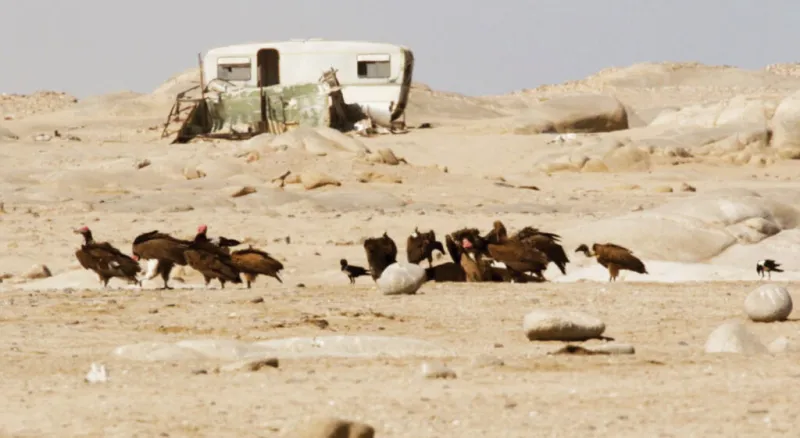
Vultures, though less commonly associated with coastal regions, also contribute to this process when carcasses are available inland. The interplay between marine productivity and terrestrial scavengers creates a delicate food web. Conservation efforts are important, as some of these scavenger species face threats from human-wildlife conflict and habitat disturbance, which could disrupt this essential ecological function.