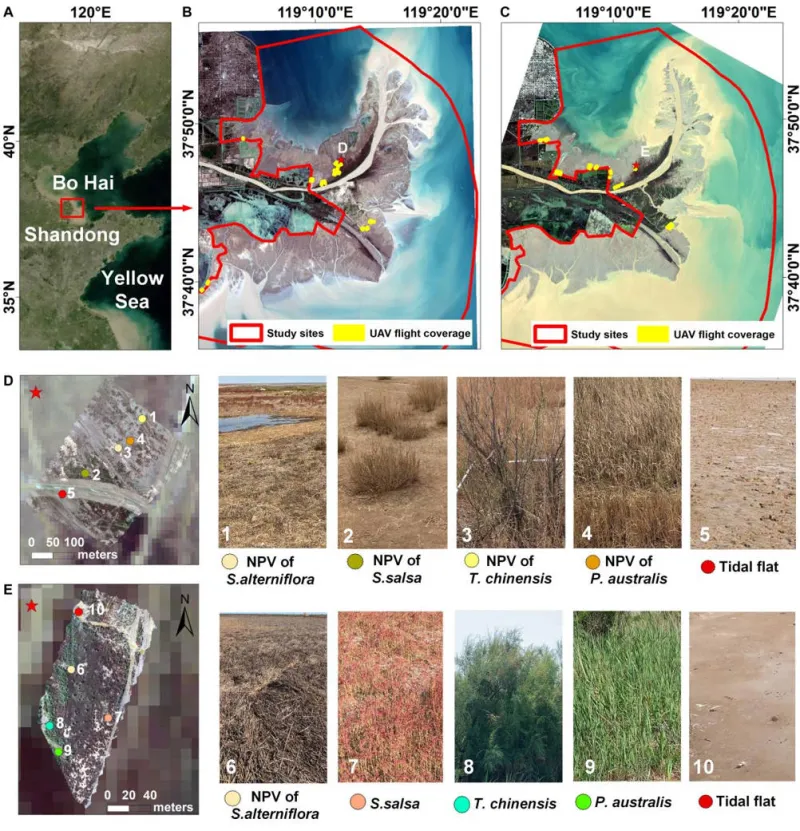
Coastal saltmarsh wetlands are vital blue carbon ecosystems that protect shorelines, stabilize sediments, support biodiversity, and store carbon in plant biomass and soils. Accurate monitoring of vegetation is essential for quantifying carbon storage, but traditional methods often overlook non-photosynthetic vegetation (NPV), such as senescent leaves and standing dead biomass.
Researchers have developed a new method called the Multiple Index Normalization Index (MINI) to improve the detection and monitoring of NPV in saltmarshes. MINI combines multiple spectral indices from satellite imagery to better distinguish NPV from photosynthetic vegetation and bare soil, according to a study published in the journal Science of Remote Sensing.
The study, led by scientists from the University of Wollongong and the University of Queensland, tested MINI across several saltmarsh sites in Australia. The results showed that MINI significantly improved the accuracy of NPV mapping compared to existing indices, with an overall accuracy of over 90% in some cases. This advancement enables more precise estimates of carbon stocks and helps track changes in saltmarsh health over time.
Improved NPV monitoring is crucial for blue carbon accounting and for assessing the resilience of saltmarshes to climate change and human disturbances. The researchers suggest that MINI could be applied to other coastal ecosystems and integrated into global monitoring programs.