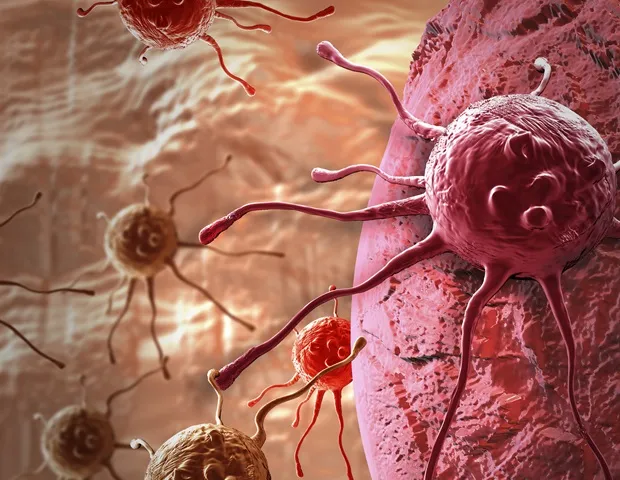
An international team led by researchers at MIT's Koch Institute and the Broad Institute has developed comprehensive cancer models that accurately represent the genetic and molecular traits of various cancer types. These models are designed to improve the drug development process by providing more realistic platforms for testing targeted therapies.
The project, which involves collaboration with multiple institutions worldwide, aims to address the limitations of existing cancer cell lines and organoids. By incorporating a wider range of mutations and molecular features, the new models better mimic the complexity of human tumors, potentially leading to more effective and personalized treatments.
According to the researchers, these models have been validated against patient data and show high fidelity in reproducing tumor behavior. The team hopes that these resources will be widely adopted by the scientific community to accelerate the discovery of new cancer drugs and biomarkers.
The findings were published in a peer-reviewed journal, and the models are being made available to researchers globally. This initiative represents a significant step forward in precision oncology, offering new tools to combat cancer more effectively.