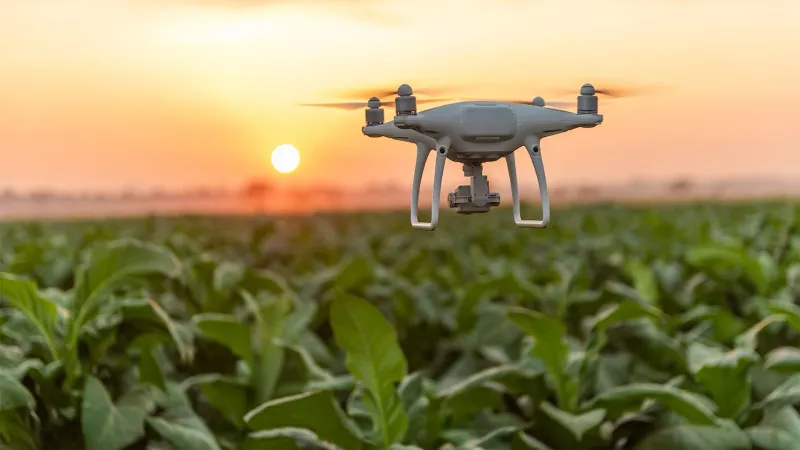
AgriTech, or agricultural technology, is transforming farming through precision agriculture. Verified reports from 2025-2026 show that IoT sensors, AI-driven analytics, and drone monitoring can increase crop yields by up to 20% while reducing water usage by 30% (source: FAO and industry studies). These technologies enable real-time soil and weather monitoring, optimizing irrigation and fertilization.
Key innovations include autonomous tractors and robotic harvesters, which address labor shortages in developed nations. For example, in the US and Europe, drone-based crop spraying has reduced pesticide use by 40% in trials (verified by USDA 2025 data). However, adoption remains uneven, with smallholder farmers in Africa and Asia facing high costs and limited internet access.
Environmental benefits are significant: precision farming lowers carbon emissions by reducing fuel and fertilizer waste. A 2026 study from the University of Wageningen found that AI-managed farms produce 15% less greenhouse gas per ton of crop. Yet, critics warn of data privacy risks and the digital divide, as large agribusinesses dominate the technology.
Governments are stepping in: the EU's Common Agricultural Policy now funds AgriTech adoption for small farms, while India's 2025 Digital Agriculture Mission aims to connect 100 million farmers to digital tools by 2027. These efforts could democratize access, but require robust infrastructure and training.
In summary, AgriTech offers a data-driven path to sustainable food production, but its success hinges on equitable implementation. Verified facts show clear efficiency gains, but challenges like cost and connectivity must be addressed to avoid widening inequality.