Science
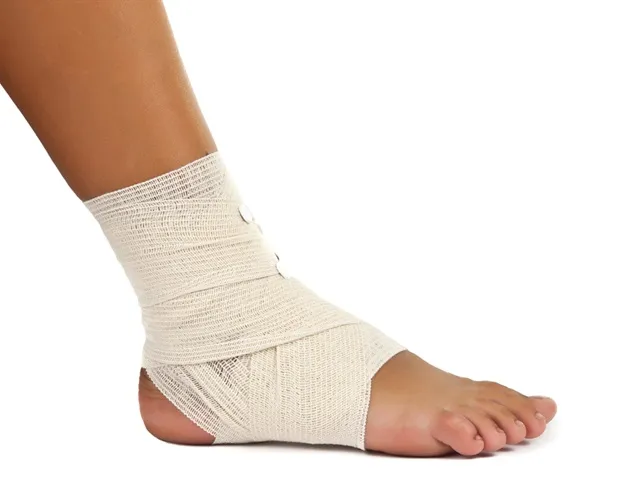
Efferocytosis Key to Wound Healing and Tissue Repair
A review highlights efferocytosis, the removal of dead cells, as crucial for efficient wound healing and tissue balance.
Because the world needs more positivity
A review highlights efferocytosis, the removal of dead cells, as crucial for efficient wound healing and tissue balance.
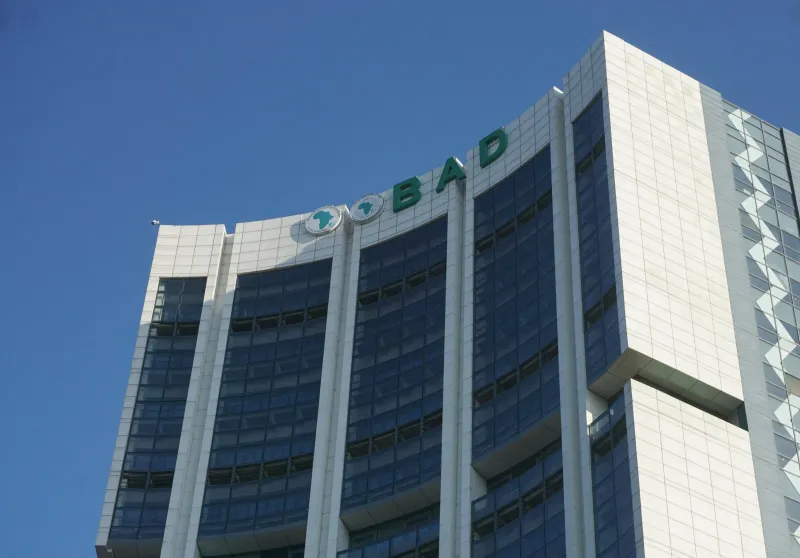
The African Development Bank approved a €200 million loan to support Morocco's Cap Compétences 2030 skills development program.
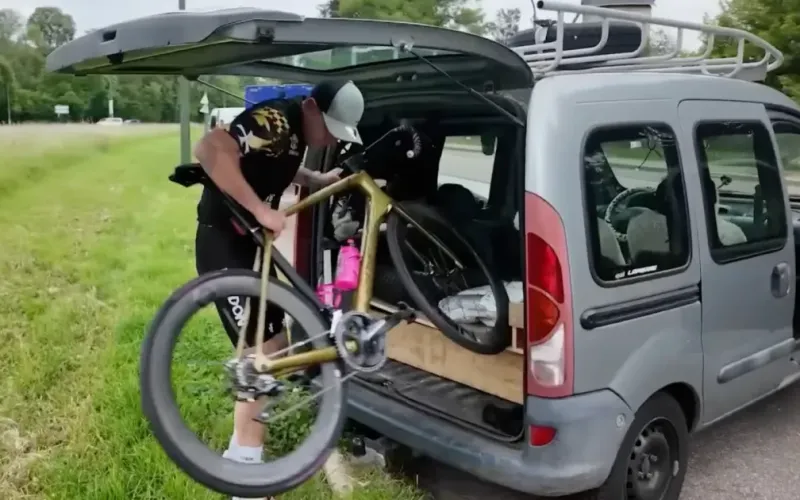
A Lapierre bike stolen in Paris was spotted in Morocco after a TikTok video went viral, leading to its recovery.
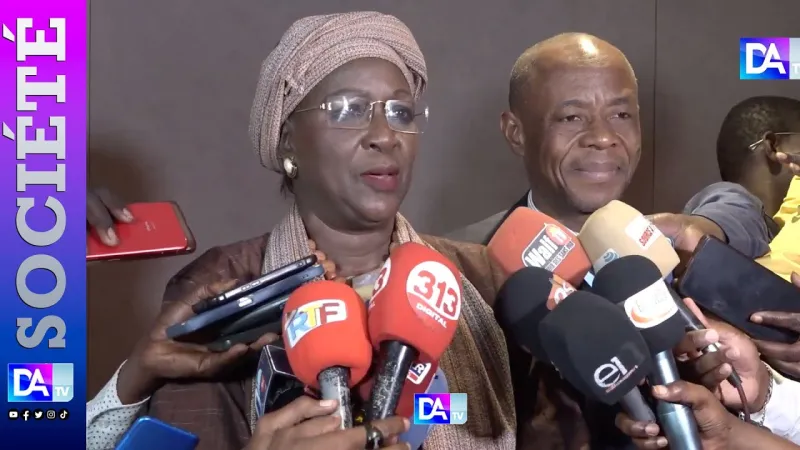
King Mohammed VI pardoned Senegalese fans detained after incidents in Morocco; Senegal's human rights commission praised the move.
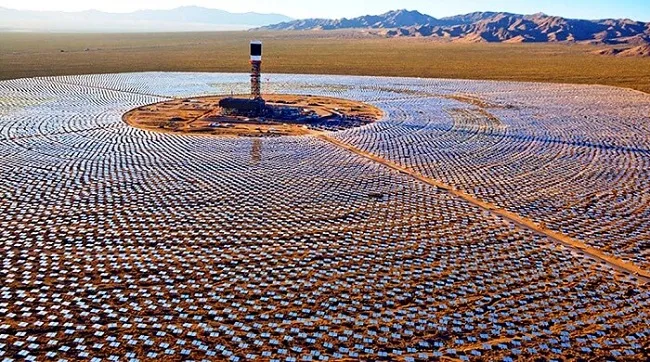
Eiffage Energie Systèmes will build four photovoltaic plants in Morocco for Masen as part of the Noor Atlas program.
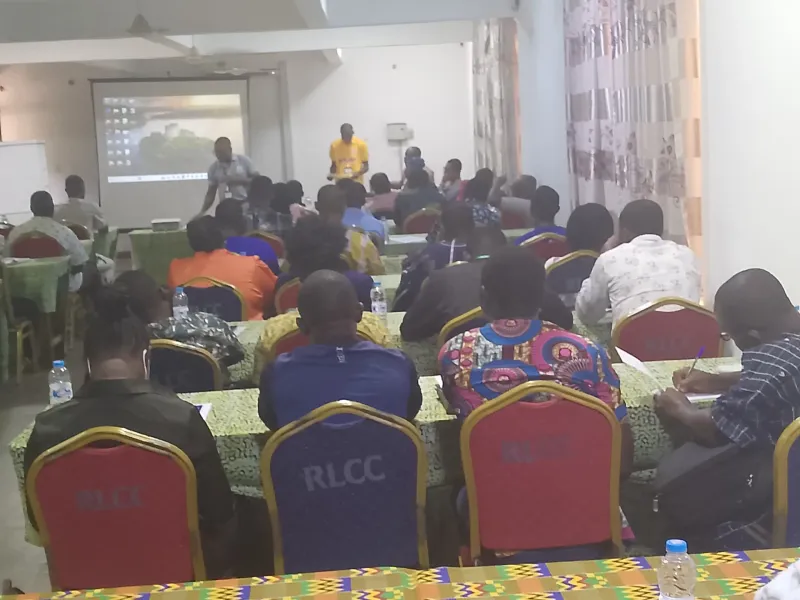
Bible Bridge Ghana held a capacity-building meeting for Sunday school teachers and pastors from four northern regions.
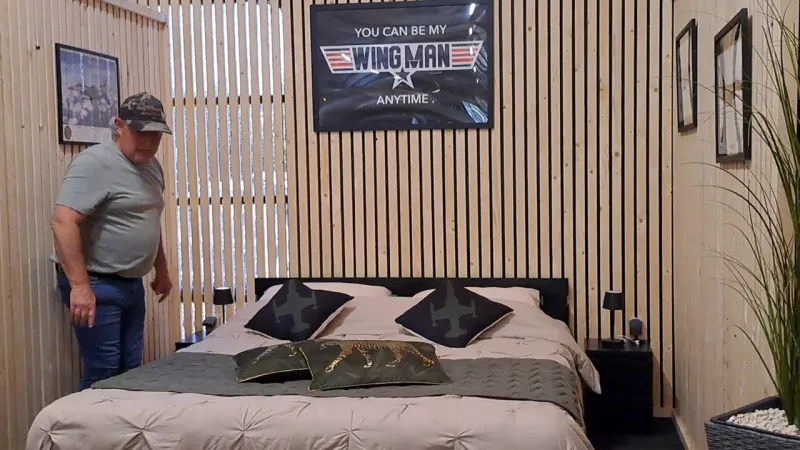
A restored F-104G Starfighter at the Royal Museum of the Armed Forces in Brussels now offers overnight stays.
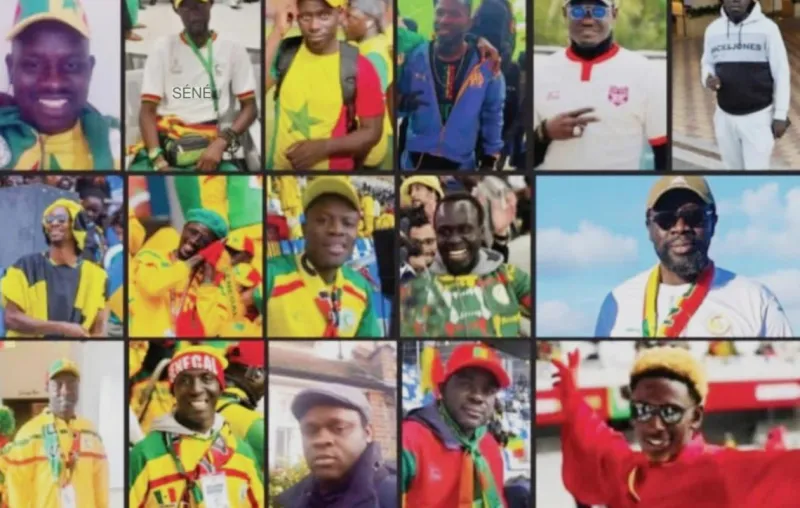
Senegalese fans detained in Morocco were released following mediation by Abdou Salam Gueye with Princess Lalla Meryem.
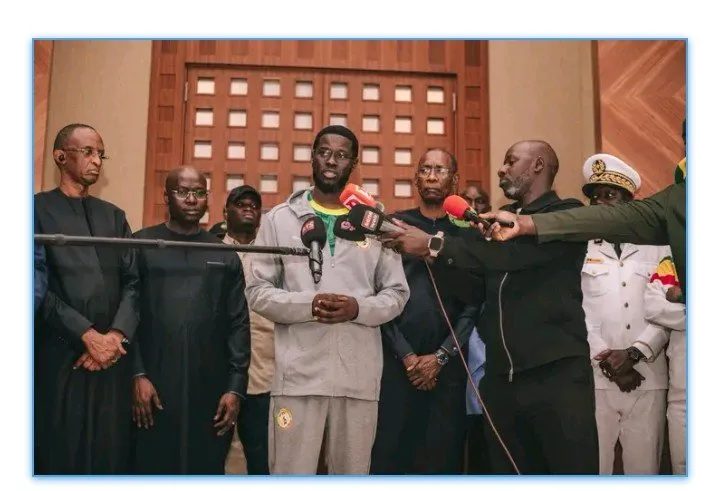
President Bassirou Diomaye Faye gave 2 million CFA francs and a sheep to each of 18 Senegalese detainees released from Morocco.
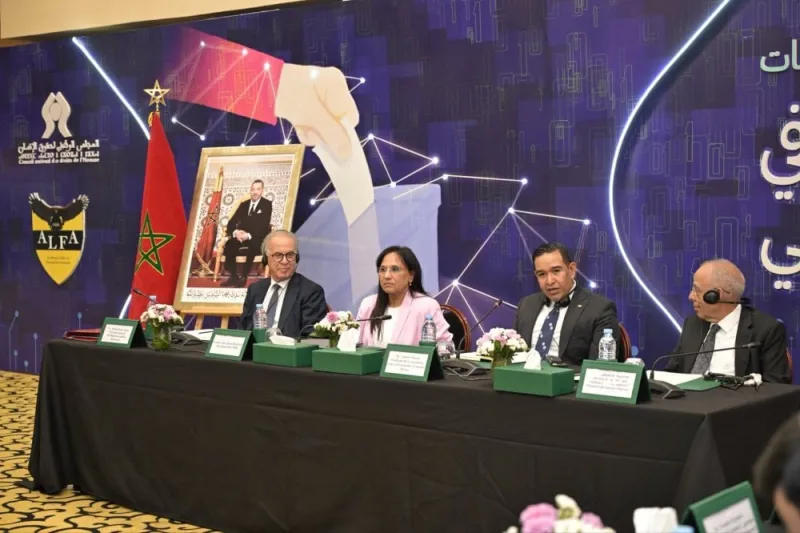
A joint declaration signed by Amina Bouayach and Latin American ombudsmen establishes a cooperation platform on human rights.
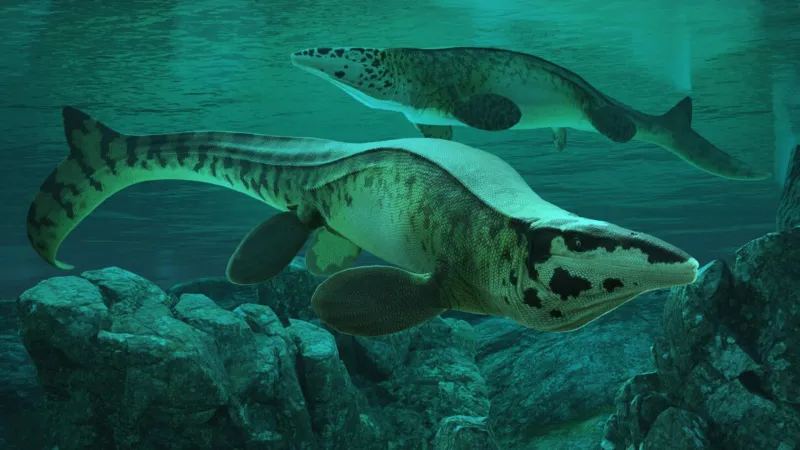
A newly identified mosasaur species, Thalassotitan atrox, was a top predator in the Late Cretaceous seas.
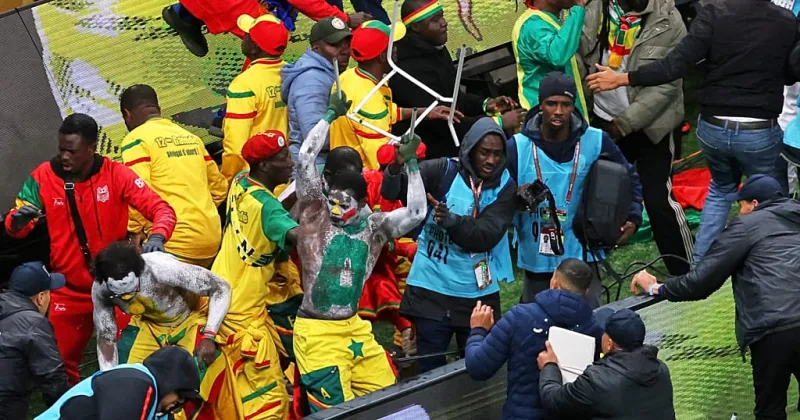
Fifteen Senegalese fans convicted after AFCON 2025 final incidents returned to Dakar after royal pardon from King Mohammed VI.