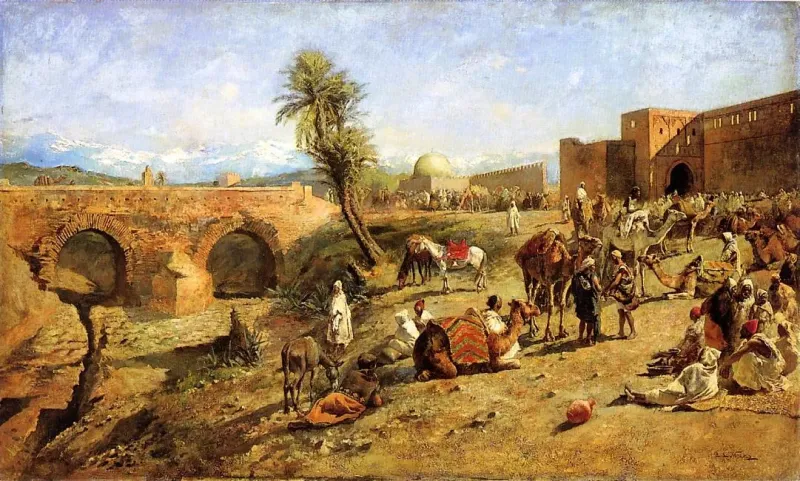
The Zettat, a traditional figure in Moroccan culture, served as a guardian of roads and travelers, particularly in rural and mountainous regions. Historically, these individuals were appointed by local communities to ensure the safety of pathways, offer hospitality to strangers, and maintain basic road conditions. Their role dates back centuries, rooted in Berber and Islamic traditions of communal responsibility.
With the expansion of modern road networks and the rise of state-led infrastructure projects, the Zettat's functions have largely been absorbed by official agencies. Today, few Zettat remain active, and the term is increasingly used in a nostalgic or historical context. Scholars note that the decline began in the mid-20th century as Morocco modernized its transportation systems.
Efforts to preserve the memory of the Zettat include oral history projects and cultural festivals in regions like the High Atlas. However, no formal recognition or revival program exists at the national level. The figure remains a symbol of Morocco's pre-modern social fabric, where community solidarity ensured safe travel.