Since April 2026, the United States and Israel have conducted military strikes against Iran, targeting nuclear and military facilities. These actions have disrupted global oil and fertilizer markets, with significant repercussions for African nations.
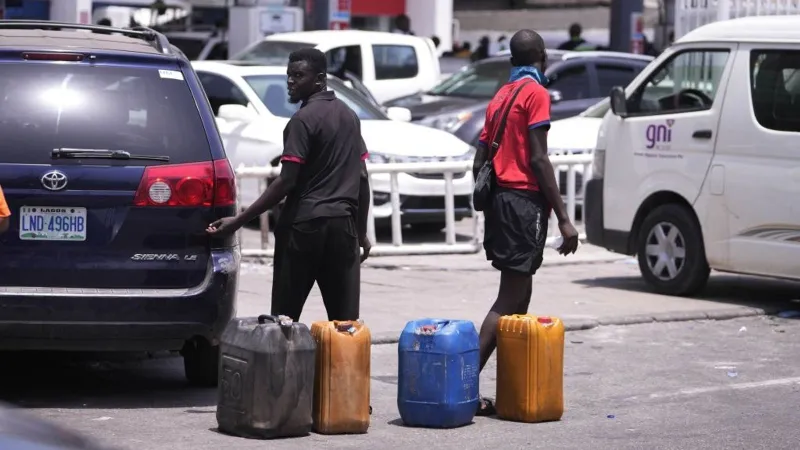
According to the International Monetary Fund (IMF) and World Food Programme (WFP) reports from May 2026, African countries like Kenya, Nigeria, and South Africa have experienced fuel price hikes of 15-25% since April. Fertilizer prices have surged by 30%, threatening agricultural output in nations already facing drought.
The United Nations Economic Commission for Africa (UNECA) stated on May 10, 2026, that the conflict could push an additional 10 million Africans into food insecurity by mid-2026. Currency devaluations have been reported in Ghana and Ethiopia, linked to reduced trade and investor uncertainty.
Local news outlets in Nairobi and Lagos have documented protests over rising costs of living. The African Union has called for a ceasefire, urging de-escalation to prevent a humanitarian crisis.