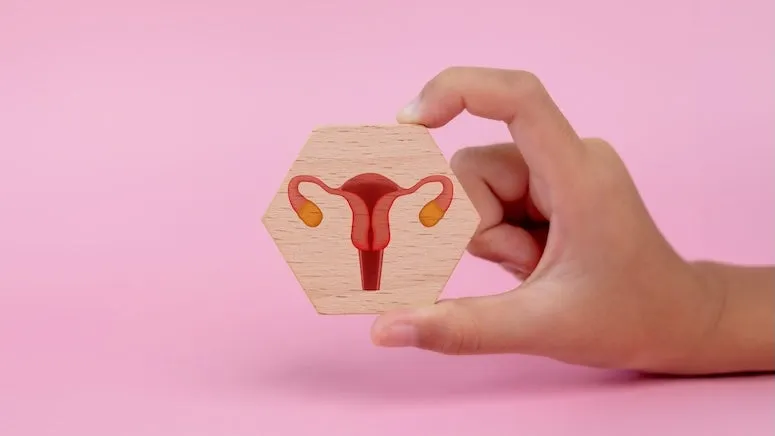
A new mathematical model helps explain why most human pregnancies result in a single baby, despite the ovaries preparing multiple follicles each month. The model, developed by researchers at the University of Cambridge, suggests that competition among follicles for a limited supply of a key hormone, follicle-stimulating hormone (FSH), ensures that only one follicle matures and releases an egg.
During each menstrual cycle, the ovaries prepare 10-20 antral follicles, fluid-filled sacs that contain immature eggs. However, in most cycles, only one follicle is selected to mature and ovulate. The new model, published in the journal Proceedings of the Royal Society B, shows that this selection process is driven by a 'winner-takes-all' competition for FSH.
Lead author Dr. Jenny Zhang from the University of Cambridge said: 'Our model shows that the follicle that is slightly more sensitive to FSH will outcompete its neighbors, suppressing their growth and ensuring that only one egg is released.' This mechanism reduces the risk of multiple pregnancies, which can be dangerous for both mother and offspring.
The findings could have implications for fertility treatments, where multiple follicles are often stimulated to produce several eggs for in vitro fertilization (IVF). Understanding the natural selection process may help improve the safety and success rates of such treatments.