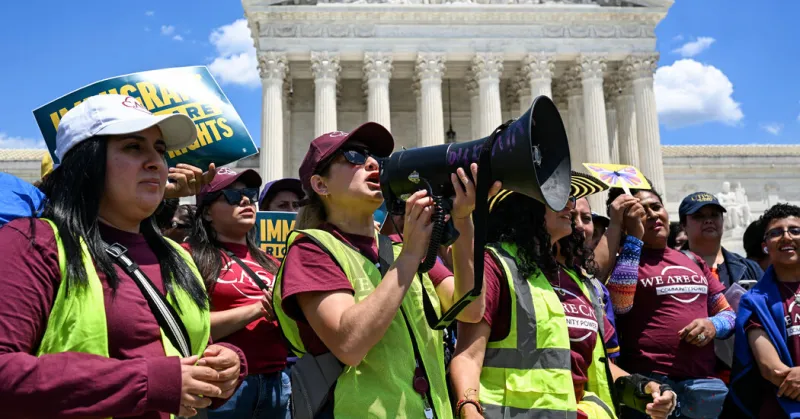
Employers across the United States are bracing for significant labor shortages as the Biden administration's decision to end Temporary Protected Status (TPS) for nationals of Haiti and El Salvador takes effect. According to the Department of Homeland Security, approximately 200,000 Salvadorans and 100,000 Haitians currently hold TPS, many of whom have lived and worked in the U.S. for over a decade.
In the Washington, D.C. area, Salvadoran-born workers have been integral to renovation and maintenance crews at federal buildings, including the Capitol and the Pentagon. Meanwhile, in Florida, Massachusetts, and New York, Haitian caregivers form a critical part of the workforce in senior living facilities, providing essential support to an aging population.
The National Immigration Forum estimates that the loss of these workers could cost the U.S. economy billions of dollars annually, particularly in the construction and healthcare sectors. A 2025 study by the Center for American Progress found that TPS holders contribute over $4.5 billion in taxes each year.
Business groups, including the U.S. Chamber of Commerce, have urged Congress to pass legislation providing a path to permanent residency for long-term TPS holders. However, legislative efforts have stalled amid partisan debates over immigration reform.
As the July 2026 deadline approaches, employers are scrambling to find replacements, while advocacy groups warn of potential humanitarian crises for families facing deportation to countries still recovering from natural disasters and economic instability.