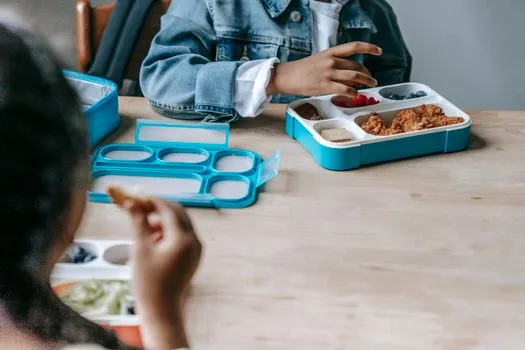
According to food and public policy experts, a provision in the "One Big Beautiful Bill Act"—the Republican tax and spending law enacted in 2025—could reduce the number of U.S. children automatically eligible for free school meals this fall. The law changes how the Supplemental Nutrition Assistance Program (SNAP) calculates household income, potentially making some families ineligible for SNAP and thus losing the automatic free meal eligibility that comes with SNAP participation.
Under current rules, children in households receiving SNAP are directly certified for free school meals without a separate application. The new law, however, adjusts the income threshold and deductions used to determine SNAP eligibility, which may cause some families to lose SNAP benefits. Experts warn that this could lead to a significant drop in the number of children receiving free meals, even if their financial situation remains unchanged.
As of August 2026, the U.S. Department of Agriculture (USDA) has not released official estimates of how many children might be affected. However, food policy researchers have noted that even a small percentage change in SNAP eligibility could translate into hundreds of thousands of children losing automatic free meal access. Schools are encouraged to verify eligibility through other means, such as income applications, but experts worry that many families may not be aware of the change or may not complete the paperwork in time.
The impact is expected to be felt most acutely in low-income communities where school meals are a critical source of nutrition. Advocacy groups are urging schools and local agencies to proactively reach out to families who may be affected and to help them apply for free meals through alternative routes.