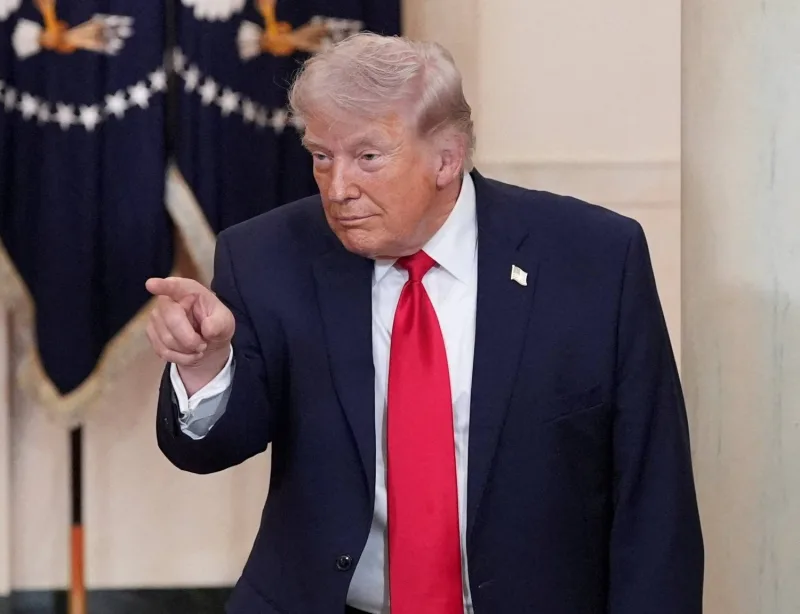
Statements made by former U.S. President Donald Trump regarding Iran have been cited in recent legal analyses concerning the boundaries of wartime rhetoric. In 2020, Trump tweeted a threat to target Iranian cultural sites, a statement that drew immediate condemnation from military legal experts and was later walked back by officials. He also explicitly threatened to destroy Iran's electricity grid.
International law, including the Geneva Conventions, prohibits attacks on objects indispensable to the survival of the civilian population, such as electrical grids, and protects cultural heritage. Legal scholars have consistently argued that carrying out such threats could constitute war crimes. However, no international legal action has been pursued against the former president for these statements.
The discourse highlights the ongoing tension between inflammatory political rhetoric and the established laws of armed conflict. While the threats were made during Trump's presidency, their legal implications remain a subject of academic and expert discussion, rather than active judicial proceedings.