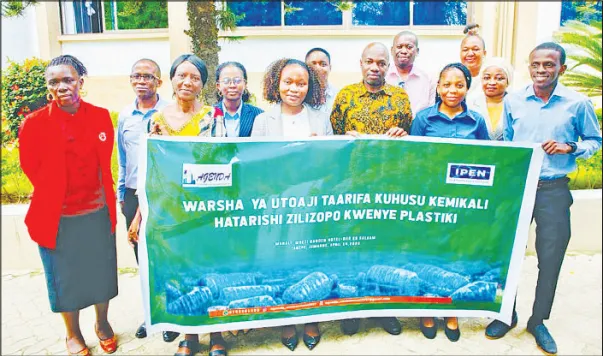
As international negotiations for a global treaty to end plastic pollution continue, Tanzania is pushing for the agreement to include strong, legally binding measures to control toxic chemicals in plastics. The fourth session of the Intergovernmental Negotiating Committee (INC-4) took place in Ottawa, Canada, in April 2024, with the goal of developing an international legally binding instrument. A fifth session (INC-5) is scheduled for November 2024 in Busan, Republic of Korea.
Tanzania's position, aligning with other African nations and health advocates, emphasizes that a treaty focused solely on waste management is insufficient. The country argues it must address the full lifecycle of plastics, including the regulation of hazardous chemical additives used in production, which can leach into the environment and food chain, posing risks to human health and ecosystems.
The proposed treaty aims to be finalized in 2025. Key points of contention in negotiations include limits on plastic production, the inclusion of chemical transparency measures, and financing for implementation in developing nations. Tanzania's advocacy highlights the growing concern over the health impacts of plastic pollution, particularly in regions with less capacity for waste management.