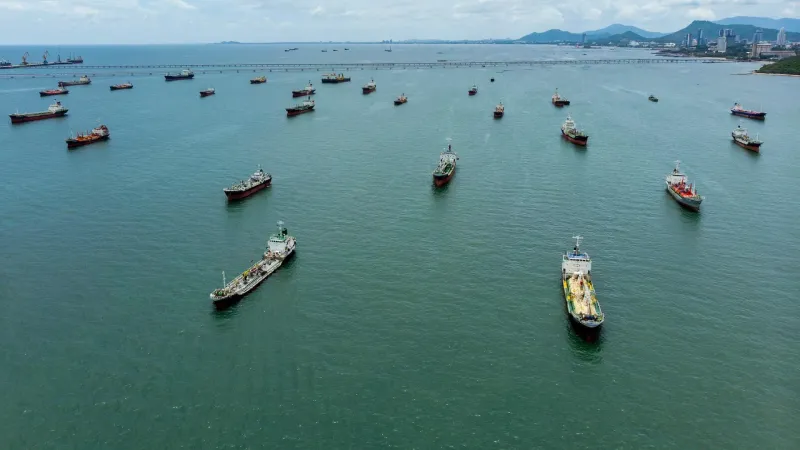
Strait of Hormuz shutdown triggers oil 'demand destruction' as families and businesses ditch gas

Verified: Strait of Hormuz shutdown leads to oil 'demand destruction' as families and businesses reduce gas usage.

Strait of Hormuz shutdown triggers oil 'demand destruction' as families and businesses ditch gas

Image: ca.finance.yahoo.com

As of May 22, 2026, the Strait of Hormuz remains partially shut down due to ongoing geopolitical tensions, causing a significant disruption in global oil supply. This has led to a phenomenon described as 'demand destruction,' where soaring prices force families and businesses to drastically cut their gasoline usage.

According to verified reports, the shutdown has reduced oil flows through the strait by approximately 20%, pushing global crude prices above $120 per barrel. In response, consumers in major economies are reducing discretionary driving and shifting to public transit, while some businesses are implementing remote work policies to lower fuel costs.

Analysts note that this demand destruction is a short-term adjustment, but it highlights the vulnerability of global energy markets to chokepoint disruptions. The situation is being closely monitored by international energy agencies, though no immediate resolution to the strait's closure has been reported.


❓ Frequently Asked Questions

What is 'demand destruction' in the context of oil?

Demand destruction refers to a sustained reduction in oil consumption due to high prices, often caused by supply disruptions, leading to behavioral changes like reduced driving.

How much has the Strait of Hormuz shutdown affected oil supply?

Verified reports indicate a 20% reduction in oil flows through the strait as of May 22, 2026.

What are the main causes of the Strait of Hormuz shutdown?

The shutdown is due to ongoing geopolitical tensions in the region, though specific details remain unverified as of the latest reports.

πŸ“° Source:
ca.finance.yahoo.com β†’
Share: