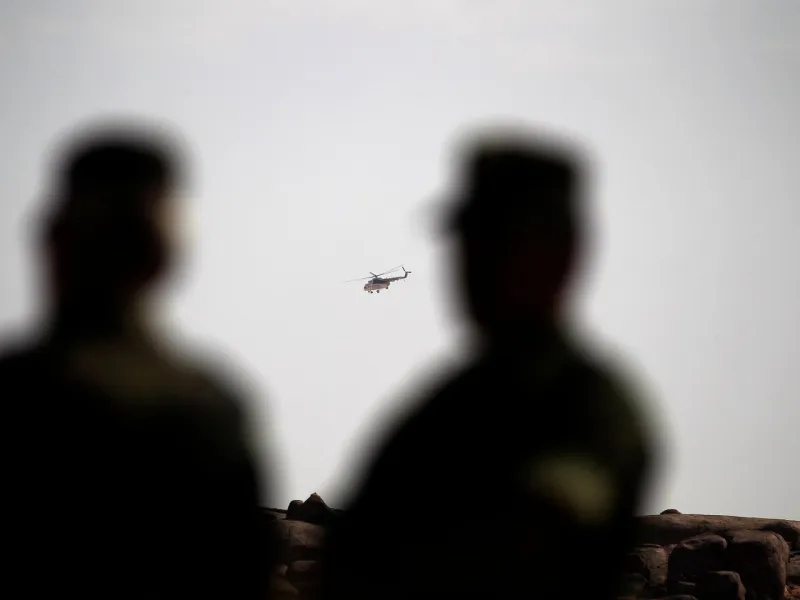
The United Nations Mission for the Referendum in Western Sahara (MINURSO) is facing an increasingly uncertain future as of May 2026, amid renewed tensions between Morocco and the Polisario Front. Established in 1991 to monitor a ceasefire and organize a referendum on self-determination, the mission has been unable to fulfill its core mandate due to decades of political deadlock.
Recent developments, including Morocco's reaffirmation of its sovereignty over the disputed territory and the Polisario Front's resumption of armed conflict in 2020, have further complicated MINURSO's role. The UN Security Council has repeatedly extended MINURSO's mandate, most recently in October 2025, but divisions among member states, particularly over the inclusion of human rights monitoring, have weakened its effectiveness.
According to UN reports, MINURSO's strength stands at approximately 230 military personnel and 100 civilian staff as of early 2026, down from its authorized levels. The mission's budget for 2025-2026 was set at $60 million, but funding shortfalls and logistical challenges persist. The UN Secretary-General has called for renewed dialogue, but no breakthrough has been achieved.
The future of MINURSO remains tied to broader geopolitical dynamics, including the recognition of Moroccan sovereignty by some nations and the ongoing humanitarian situation in Sahrawi refugee camps in Algeria. Without a political solution, the mission's relevance continues to be questioned.