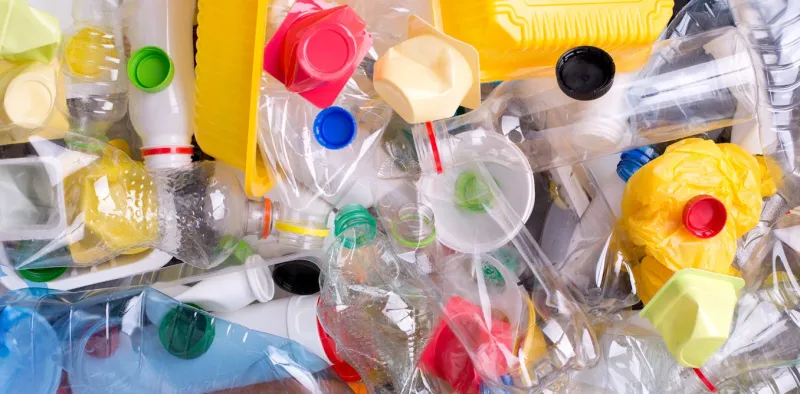
Researchers have demonstrated a novel method to convert polyethylene terephthalate (PET) plastic, commonly used in bottles and packaging, into the active pharmaceutical ingredient levodopa (L-DOPA). This breakthrough, published in the journal ACS Central Science, offers a potential dual benefit for medical supply chains and environmental waste reduction.
The chemical process, developed by scientists at the University of Edinburgh, involves breaking down PET plastic into its core molecular components. Using engineered bacteria, these components are then converted into high-value chemicals, including the precursor molecules needed to synthesize L-DOPA. This drug is the primary treatment for managing the motor symptoms of Parkinson's disease.
While the research is currently at a laboratory scale, it represents a significant proof of concept for sustainable pharmaceutical manufacturing. The team estimates that the process could be more cost-effective than traditional synthetic routes once scaled up. The work highlights the growing field of 'plastic upcycling,' which aims to transform waste into valuable products rather than discarding it.
The scientists emphasize that further development is needed to optimize the yield and efficiency for industrial application. However, this innovation points toward a future where plastic waste could become a resource for producing essential medicines, addressing both pollution and healthcare challenges.