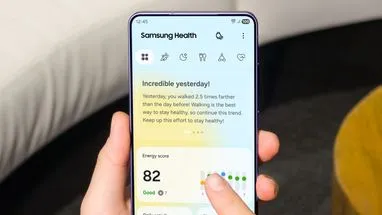
Samsung has doubled down on AI-powered health features in its Galaxy devices, with executives stating the goal is to 'keep people away from doctors' by enabling proactive health management at home. The company's latest smartwatches and phones include sensors for blood pressure, ECG, and sleep apnea detection, all analyzed by on-device AI.
According to Samsung's mobile health chief, the aim is to shift from reactive to preventive care. 'We want users to monitor their health daily, not just when they feel sick,' he said in a recent interview. However, the company acknowledges that user trust is a major hurdle, as many are skeptical about sharing sensitive health data with a tech giant.
Independent experts note that while AI health monitoring can be useful, it is not a substitute for professional medical advice. 'These tools can flag potential issues, but they can also cause unnecessary anxiety or false reassurance,' said Dr. Emily Chen, a digital health researcher at Stanford University.
Samsung has implemented on-device processing for most health data to address privacy concerns, but critics argue that the company's data policies still allow for anonymized data sharing with third parties. The company plans to expand AI health features to more devices by 2027.