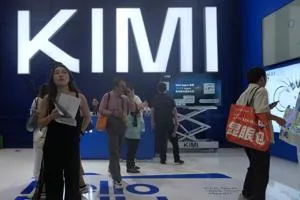
Chinese artificial intelligence models are increasingly being adopted in the United States, driven by their lower cost and open-source nature. According to a July 2026 report by Reuters, companies like DeepSeek have seen a surge in usage among US developers and businesses seeking affordable alternatives to dominant US models.
DeepSeek's R1 model, released in January 2025, demonstrated performance comparable to OpenAI's GPT-4 at a fraction of the training cost—approximately $5.6 million versus an estimated $100 million or more for GPT-4. This cost efficiency has made Chinese AI models attractive for startups and small-to-medium enterprises.
However, US regulators have expressed concerns about data security and potential intellectual property risks. The Biden administration has considered restrictions on the use of Chinese AI models in sensitive sectors, though no formal ban has been enacted as of July 2026.
Despite these concerns, the trend reflects a broader shift in the global AI landscape, with Chinese firms leveraging open-source strategies to compete with US tech giants. Analysts note that this competition could accelerate innovation and reduce costs for consumers worldwide.