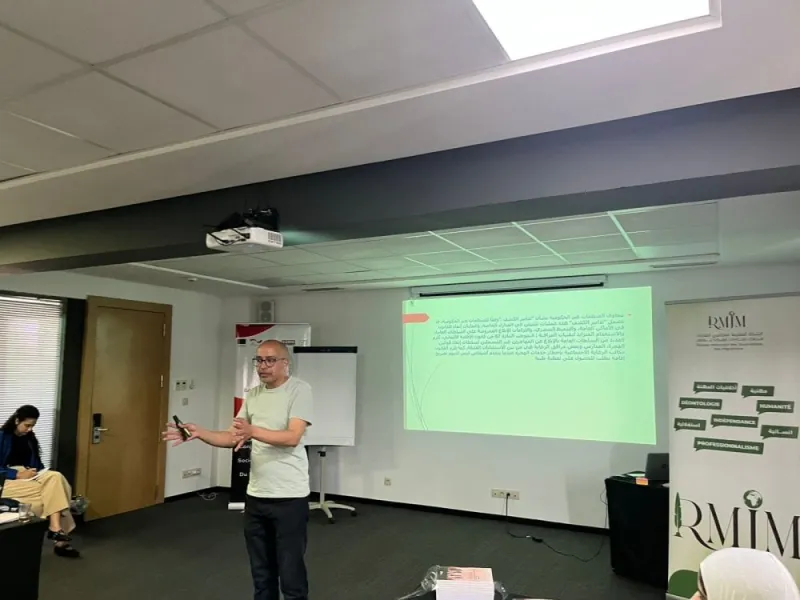
Migrants who return to Morocco after unsuccessful attempts to reach Europe frequently encounter profound social stigma and familial rejection, a long-standing issue highlighted by local civil society and media. The Moroccan Network of Journalists on Migration (RMJM) has documented numerous cases where returnees are shunned by their communities and even their own families, viewed as failures for not having secured a better life abroad.
Hicham Houdaïfa, a member of the RMJM, has collected testimonies from returnees in neighborhoods like Sidi Othmane in Casablanca. One migrant's poignant statement, "I only have the right to my sofa," encapsulates the isolation and loss of status experienced by many. Their journeys, often perilous and financed by family savings, end in a return that is met with disappointment and reproach rather than support.
The phenomenon is not new but remains a significant social challenge. While official reintegration programs exist, often supported by international partnerships like those with the European Union, their reach is limited. Many returnees struggle with debt, psychological trauma, and a lack of economic opportunities, compounding their difficult reintegration into a society that often measures success by emigration.
Experts note that the stigma stems from deep-seated social pressures and the high financial and emotional investment families make in migration attempts. The narrative of the successful migrant who supports their family from abroad casts a long shadow over those who return empty-handed, leaving them to navigate a complex reality of shame and marginalization within their own country.