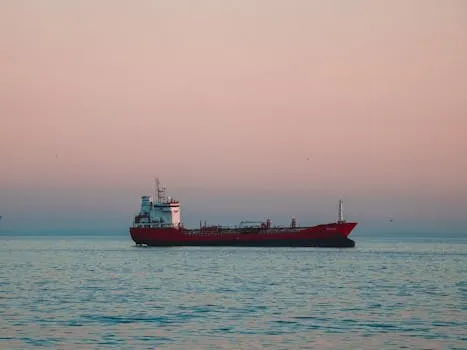
Attacks on commercial shipping in the Red Sea by Yemen's Houthi rebels, which began in late 2023, continue to disrupt one of the world's most critical maritime trade routes. The group says it is targeting vessels linked to Israel, the United States, and the United Kingdom in response to the war in Gaza, though many affected ships have had no clear ties to these nations.
The ongoing instability has forced major container shipping lines and energy transporters to avoid the Red Sea and the Suez Canal, opting for the longer route around the Cape of Good Hope. This diversion adds approximately 10-14 days to voyage times between Asia and Europe, significantly increasing fuel costs and freight rates.
While a direct, full-scale war involving Iran has not materialized, regional tensions remain high. The U.S.-led naval coalition, Operation Prosperity Guardian, continues patrols to secure the waterway, but has not been able to halt the attacks entirely. Insurance premiums for vessels transiting the region have skyrocketed, and the cumulative impact on global supply chains persists.
Analysts warn that the prolonged crisis threatens to reignite inflation by raising the cost of transported goods, from consumer electronics to energy. The situation underscores the fragility of global trade corridors to geopolitical conflict.