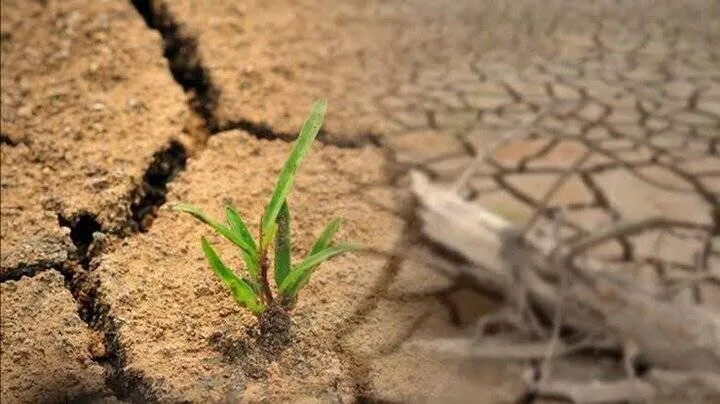
TEHRAN – Rangelands play a crucial role in food security, the water cycle, biodiversity conservation, and climate resilience, making their restoration a key strategy for reversing desertification and enhancing drought resilience, according to experts.
Healthy rangelands support livestock grazing, which is a primary livelihood for millions in arid and semi-arid regions. They also help regulate water flow, prevent soil erosion, and store carbon, contributing to climate change mitigation.
In Iran, where desertification affects large areas, restoration efforts focus on sustainable grazing management, reseeding native plants, and involving local communities. The United Nations Convention to Combat Desertification (UNCCD) emphasizes that restoring degraded lands can improve food production and water availability.
However, challenges include overgrazing, climate change, and limited funding. Experts call for integrated approaches that combine traditional knowledge with modern science to ensure long-term success.