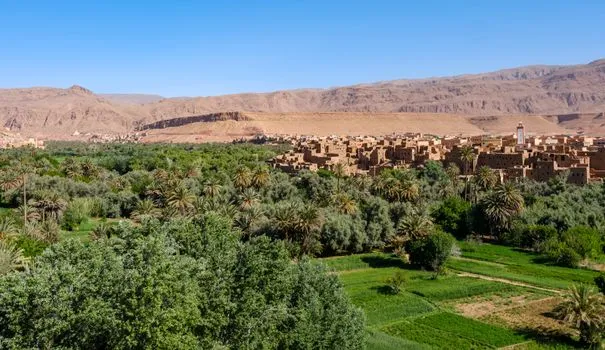
Morocco is among the countries most directly affected by accelerating climate change in North Africa, according to the World Meteorological Organization's (WMO) State of the Climate in Africa 2025 report, released on June 18, 2026.
The report highlights that North Africa is warming faster than the global average, with Morocco experiencing increased temperatures, reduced rainfall, and heightened water scarcity. The WMO notes that these trends pose significant risks to agriculture, water resources, and ecosystems in the region.
Key findings for Morocco include a rise in average temperatures by approximately 0.4°C per decade since the 1970s, and a decrease in annual precipitation by about 5% over the same period. The report also warns of more frequent and intense heatwaves and droughts.
The WMO emphasizes the need for enhanced adaptation measures, including improved water management and sustainable agricultural practices, to mitigate the impacts on vulnerable communities.