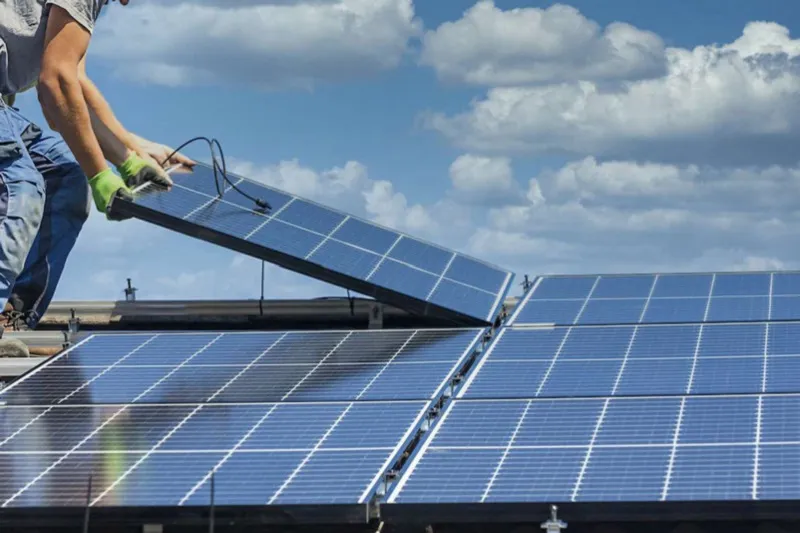
As of June 9, 2026, France has implemented a new authorization framework for self-production of electricity, enabling individuals and businesses to legally generate renewable energy and connect it to the national grid. This regulatory change aims to simplify the process for producing solar, wind, or other renewable energy on-site, reducing reliance on traditional power sources.
Under the new rules, self-producers can sell excess electricity back to the grid, potentially lowering energy costs and promoting decentralized energy generation. The framework is part of France's broader energy transition goals, which include increasing the share of renewables in the energy mix to 40% by 2030, as outlined in the Multiannual Energy Program (PPE).
Key requirements include compliance with technical standards for grid connection and registration with the energy regulator, Commission de Régulation de l'Énergie (CRE). The system is designed to be accessible for small-scale producers, such as households with rooftop solar panels, as well as larger commercial installations.
This development follows a period of regulatory uncertainty, where self-production was often limited by bureaucratic hurdles. The new framework is expected to boost investment in renewable energy projects, contributing to France's goal of carbon neutrality by 2050.