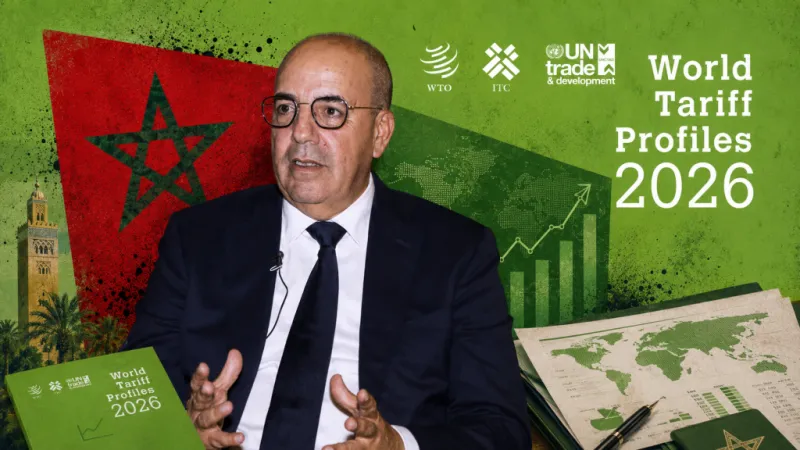
In a recent interview, Oussama Attahir, a doctor in Applied Economics, analyzed the changing nature of inflation in Morocco. He stated that the country no longer simply imports goods but also imports a portion of global shocks, which has accelerated inflationary pressures.
Attahir highlighted that Morocco's dependence on energy imports and other raw materials makes it particularly vulnerable to external price volatility. The rapid transmission of these international shocks, rather than solely domestic demand, is a key driver of current inflation rates.
According to verified data from the High Commission for Planning (HCP), Morocco's inflation rate reached 6.6% in 2023, largely due to rising energy and food prices linked to global market disruptions. The economist emphasized that structural reforms are needed to reduce this vulnerability.
The interview underscores a broader trend where emerging economies like Morocco face heightened inflation risks from global supply chain disruptions and geopolitical tensions, requiring adaptive monetary and fiscal policies.