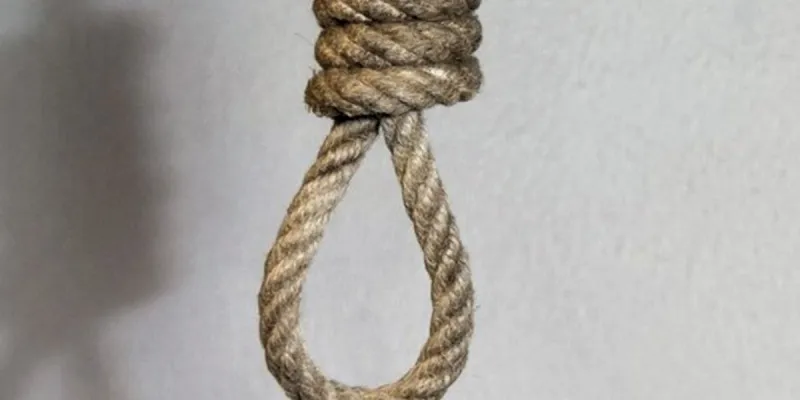
Morocco has not carried out any executions since 1993, maintaining a de facto moratorium on the death penalty. The country's legal framework still allows capital punishment for certain crimes, but in practice, courts have continued to issue death sentences, which are then commuted to life imprisonment by royal pardon.
According to reports from human rights organizations and the Moroccan government, the number of prisoners on death row has fluctuated, with estimates around 80 to 100 individuals as of recent years. The last execution occurred in 1993 under the reign of King Hassan II.
In 2024, the Moroccan government announced a national dialogue on the death penalty, involving constitutional institutions, political parties, and civil society. This initiative aims to assess public opinion and legal reforms regarding abolition. The dialogue is ongoing as of mid-2026, with no definitive legislative change yet.
Internationally, Morocco has voted in favor of UN resolutions calling for a moratorium on executions, aligning with global trends toward abolition. However, public support for the death penalty remains significant, particularly for crimes involving terrorism and murder.