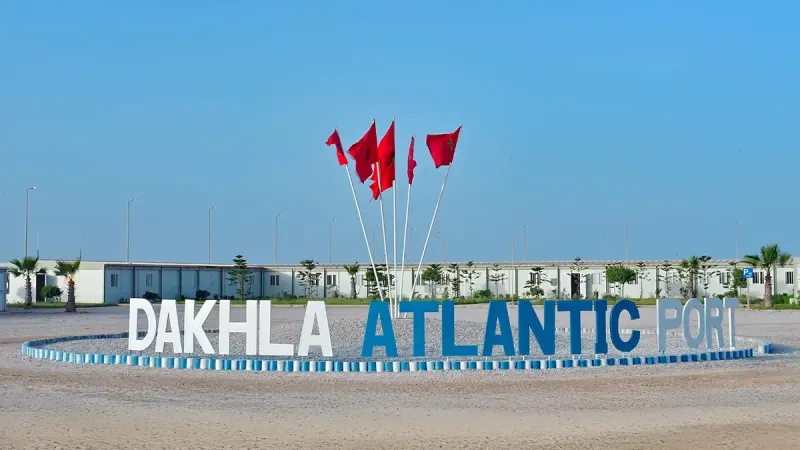
Morocco is emerging as a strategically important territory in the global maritime shipping sector's energy transition, benefiting from its geographic position at the crossroads of major Atlantic and Mediterranean shipping lanes. The country's ports, particularly Tanger Med — one of Africa's largest container ports — place it at the center of evolving trade routes as the shipping industry faces mounting pressure to decarbonize.
The International Maritime Organization (IMO) has set targets to reduce greenhouse gas emissions from international shipping, with a revised strategy adopted in 2023 aiming for net-zero emissions by or around 2050. These regulatory shifts are accelerating demand for alternative fuels such as green ammonia, green methanol, and green hydrogen — sectors in which Morocco has expressed significant ambitions, given its substantial renewable energy resources, particularly solar and wind power.
Morocco has invested heavily in renewable energy infrastructure in recent years, with projects such as the Noor solar complex and the Tarfaya wind farm underpinning its capacity to produce green hydrogen and derivative fuels at scale. The country has signed several memoranda of understanding with European partners to develop green hydrogen export corridors, which could eventually supply the maritime bunkering market.
However, significant challenges remain. The economic gap between conventional fossil fuels and green alternatives continues to make the transition costly for shipping operators, particularly smaller carriers. Climate-related disruptions to port operations and supply chains also pose risks. Additionally, regulatory arbitrage — where shipping companies may seek to refuel in jurisdictions with less stringent environmental rules — could undermine Morocco's competitive positioning if green fuel infrastructure is not developed at pace with international demand.
Analysts note that Morocco's ability to capitalize on this transition will depend on sustained public and private investment, clear regulatory frameworks, and international partnerships. The country's inclusion in regional and global green shipping corridors will be a key indicator of its progress in the coming years.