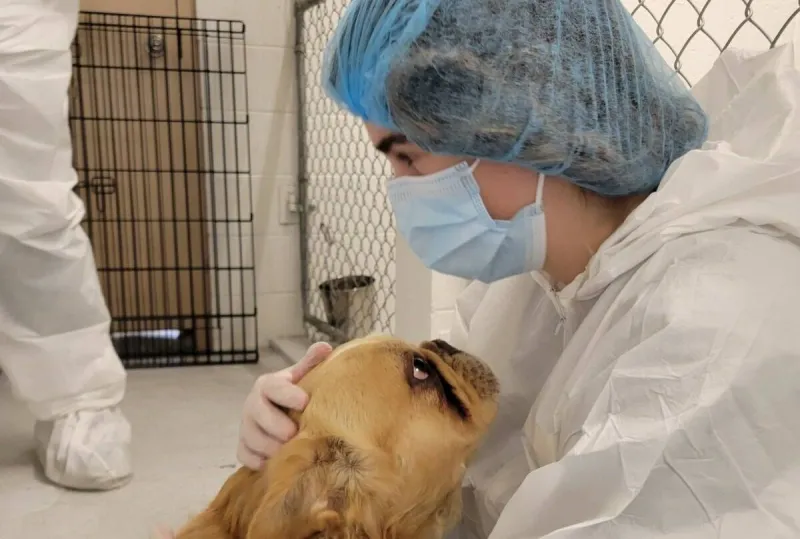
Wildlife rehabilitators and animal care volunteers in British Columbia's West Kootenay region are raising concerns about the growing financial burden of caring for injured, orphaned, and vulnerable animals. Those involved in rescue and rehabilitation work say that costs for veterinary care, food, housing, and equipment continue to rise, while funding support remains limited.
The West Kootenay, a mountainous region in southeastern BC, is home to a diverse range of wildlife including bears, deer, birds of prey, and small mammals. When these animals are injured or orphaned — often due to vehicle collisions, habitat encroachment, or human activity — local volunteers and non-profit organizations frequently step in to provide care, often at their own expense.
Wildlife rehabilitation in British Columbia is regulated under the provincial Wildlife Act, and individuals must hold a permit to legally care for most wild animals. Despite this regulatory framework, there is no consistent government funding stream dedicated to supporting licensed rehabilitators, leaving many to rely on donations and community fundraising to cover operational costs.
Advocates in the region are calling on provincial and local governments to provide more structured financial support for wildlife care organizations. They argue that the work performed by rehabilitators provides a public benefit — reducing animal suffering and supporting biodiversity — and should be recognized with sustainable funding rather than left entirely to volunteers and charitable giving.