Canadian officials are continuing to seek public and Indigenous community feedback on long-term plans for the management and disposal of nuclear waste, as the country works toward establishing a permanent solution for radioactive materials generated by its nuclear power sector.
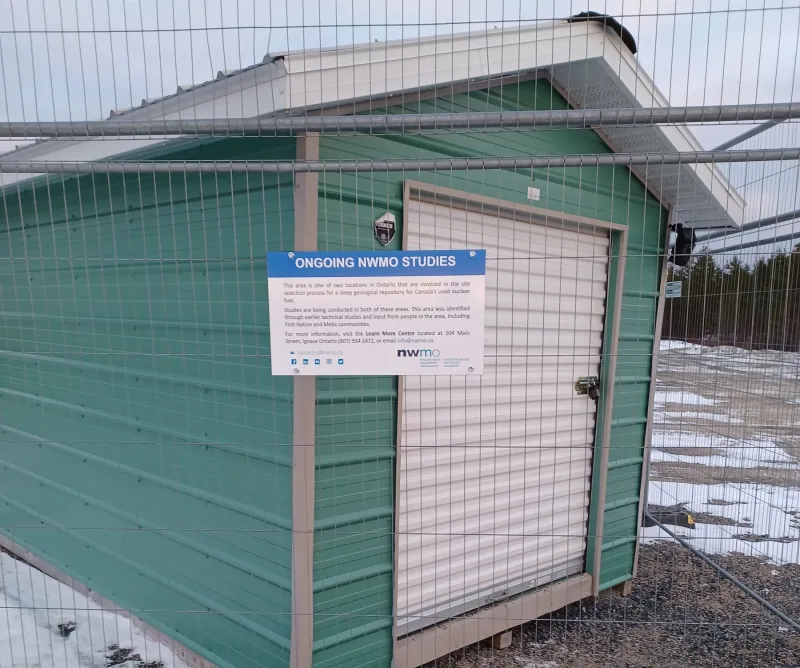
The Nuclear Waste Management Organization (NWMO), the body responsible for implementing Canada's plan for used nuclear fuel, has been engaged in an ongoing process of consultation with communities, municipalities, and First Nations groups. The process involves identifying a suitable site for a deep geological repository (DGR), which would permanently store high-level radioactive waste deep underground.
As of early 2026, the NWMO's site selection process had narrowed to two potential host communities in Ontario: the Wabigoon Lake Ojibway Nation and Ignace area in northwestern Ontario, and the Saugeen Ojibway Nation and South Bruce area. Officials have emphasized that no final decision will be made without the informed consent of the affected Indigenous and local communities.
Public consultations remain a central component of the regulatory and planning process. The Canadian Nuclear Safety Commission (CNSC) oversees the licensing and environmental assessment requirements that any proposed repository must meet before construction could begin. Critics and environmental groups have raised concerns about the long-term safety of underground storage and the adequacy of community consultation processes.
Nuclear waste management has become an increasingly prominent policy issue as Canada considers expanding its nuclear energy capacity as part of its broader clean energy strategy. Officials stress that safe, long-term storage of existing waste is essential regardless of future energy decisions.