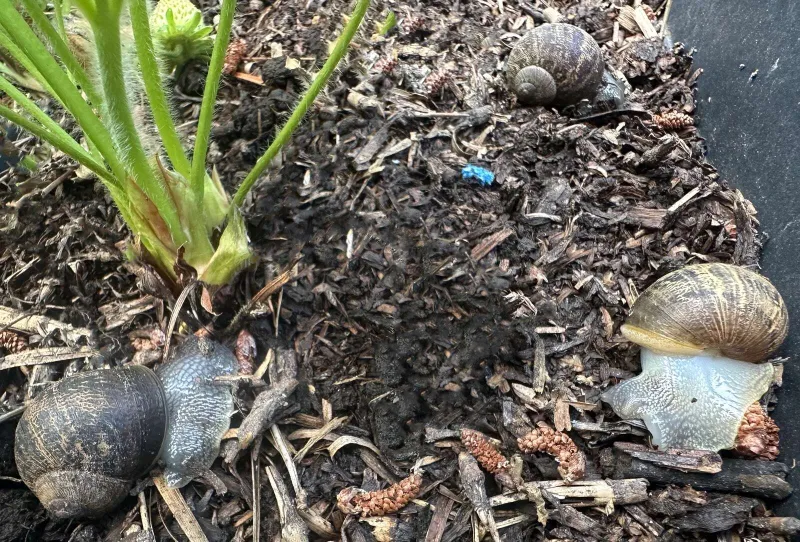
Snails and slugs are common pests in gardens and agriculture, causing significant damage to plants. Effective control relies on understanding the mode of action of molluscicides, which are chemicals designed to kill these pests. The mode of action refers to how a substance affects the target organism at a biochemical or physiological level.
Common molluscicides include metaldehyde, which disrupts mucus production and causes dehydration, and iron phosphate, which interferes with calcium metabolism. According to the Royal Horticultural Society, iron phosphate is considered more environmentally friendly as it breaks down into natural soil components. However, metaldehyde is highly effective but poses risks to non-target wildlife like birds and mammals if ingested.
Integrated pest management (IPM) strategies often combine chemical controls with cultural practices, such as removing hiding places and using barriers. The University of California Agriculture and Natural Resources recommends rotating molluscicides with different modes of action to prevent resistance. As of 2026, research continues on developing new, targeted molluscicides that minimize environmental impact.