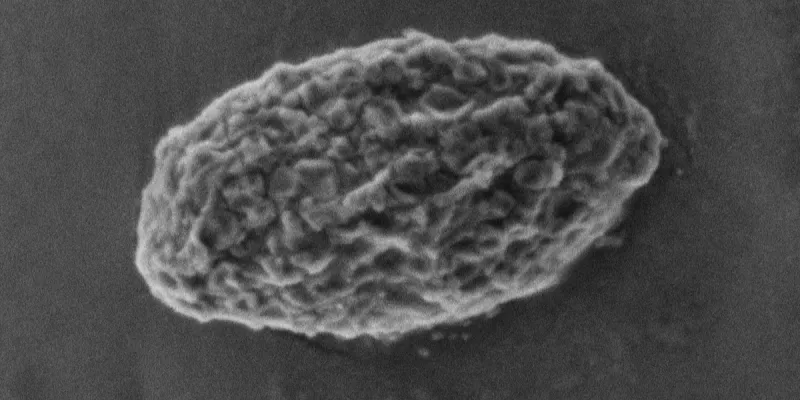
Lafora disease (LD) is a rare, fatal neurodegenerative disorder characterized by the accumulation of abnormal, hyperphosphorylated glycogen aggregates known as Lafora bodies. These inclusions form primarily in the brain, leading to progressive neurological decline.
Mutations in the EPM2A gene, which encodes the glycogen phosphatase laforin, are a known cause of LD. Laforin functions to remove phosphate groups from glycogen, and its deficiency results in hyperphosphorylated glycogen that resists normal degradation and aggregates into Lafora bodies.
Recent research has focused on understanding the molecular mechanisms by which laforin deficiency disrupts brain metabolism. Studies indicate that the accumulation of Lafora bodies impairs neuronal function and contributes to the development of seizures and cognitive decline typical of LD.
Current therapeutic strategies aim to reduce glycogen hyperphosphorylation or enhance its clearance. Experimental approaches include gene therapy to restore laforin function and small molecules that inhibit glycogen synthesis.
While no cure exists, ongoing research into laforin's role in glycogen metabolism offers hope for future treatments targeting the underlying pathology of Lafora disease.