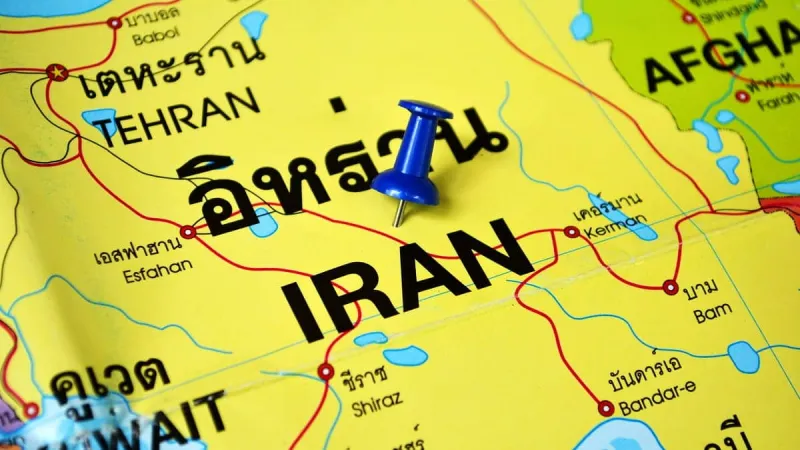
Iran has steadily built a reputation as a significant scientific power in the Middle East, with notable advances in fields including nanotechnology, stem cell research, aerospace engineering, and nuclear science. According to international academic databases, Iran has consistently ranked among the top producers of scientific publications in the region over the past two decades.
The country's universities, particularly the University of Tehran and Sharif University of Technology, have produced generations of engineers and scientists, many of whom have gone on to work in leading research institutions worldwide. Iran's investment in higher education has resulted in one of the highest rates of university enrollment in the Middle East.
Iran's nuclear program remains a central point of geopolitical tension with Israel and Western nations. Israel has long viewed Iran's nuclear and missile capabilities as an existential threat, while Tehran maintains that its nuclear activities are for civilian energy and research purposes. These tensions have periodically escalated into covert operations, cyberattacks, and targeted strikes on Iranian nuclear facilities and scientists over the years.
Despite international sanctions that have severely restricted access to technology and foreign investment, Iran has pursued domestic development in aerospace, defense, and biotechnology. Analysts note that sanctions have, in some cases, accelerated Iran's push for self-sufficiency in strategic industries, though they have also significantly hampered economic growth and the quality of life for ordinary Iranians.