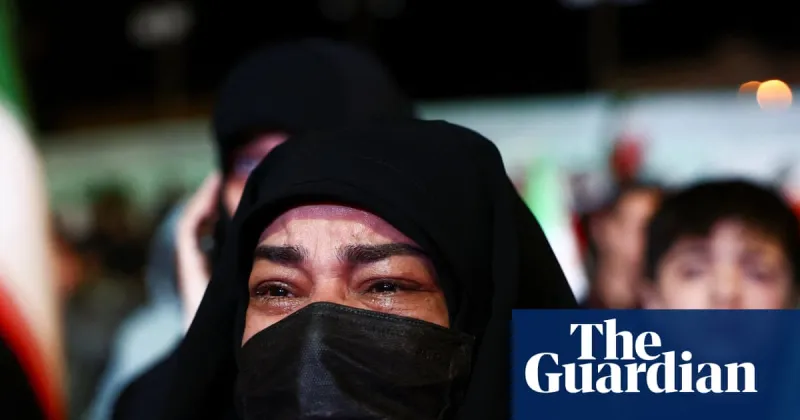
Tensions between the United States and Iran have remained elevated in early 2026, with diplomatic channels under significant strain over Iran's nuclear programme and regional influence. The Strait of Hormuz, through which approximately 20% of the world's oil supply passes, has repeatedly been cited by Iranian officials as a potential pressure point in any escalating confrontation.
Iran has historically threatened to close the Strait of Hormuz during periods of heightened tension with Western powers, most notably during disputes over sanctions and nuclear negotiations. Any disruption to shipping through the strait would have immediate and severe consequences for global energy markets.
Pakistan has previously played a mediating role between Iran and other nations, given its geographic position and diplomatic relationships with both Tehran and Washington. However, no confirmed ceasefire or formal agreement between the US and Iran has been independently verified as of April 8, 2026.
The situation in the Persian Gulf continues to be closely monitored by international observers, energy markets, and regional governments. Analysts warn that miscalculation by either side could trigger a broader crisis with global economic repercussions. Diplomatic back-channels remain active, though no breakthrough has been publicly confirmed by official sources from either government.