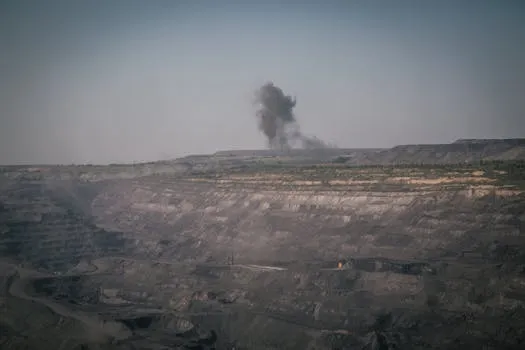
Ukrainian explosive ordnance disposal (EOD) teams operating in the Kherson region have discovered a new type of remotely controlled mine designed to blend into its surroundings, raising fresh concerns about the evolving threat posed by Russian munitions in occupied and contested territories of southern Ukraine.
The device, described as "camouflaged," is engineered to be difficult to detect visually and can be detonated remotely, making it particularly dangerous for both civilians returning to liberated areas and military demining personnel. The discovery highlights the increasingly sophisticated nature of explosive devices being deployed in the conflict zone.
Kherson region has been one of the most heavily mined areas of Ukraine since Russian forces withdrew from the city of Kherson in November 2022. The left bank of the Dnipro River remains under Russian control, and ongoing shelling and mine-laying continue to pose severe risks to the civilian population and infrastructure on the Ukrainian-controlled right bank.
Ukrainian authorities have repeatedly urged residents not to return to recently liberated villages without official clearance, as vast stretches of agricultural land, roads, and residential areas remain contaminated with mines and unexploded ordnance. International demining organizations, including the HALO Trust and the UN Mine Action Service (UNMAS), continue to support Ukrainian efforts to clear affected territories.
The identification of new mine types underscores the need for continued international support for Ukraine's demining operations, which experts estimate could take decades to complete given the scale of contamination across the country's southern and eastern regions.