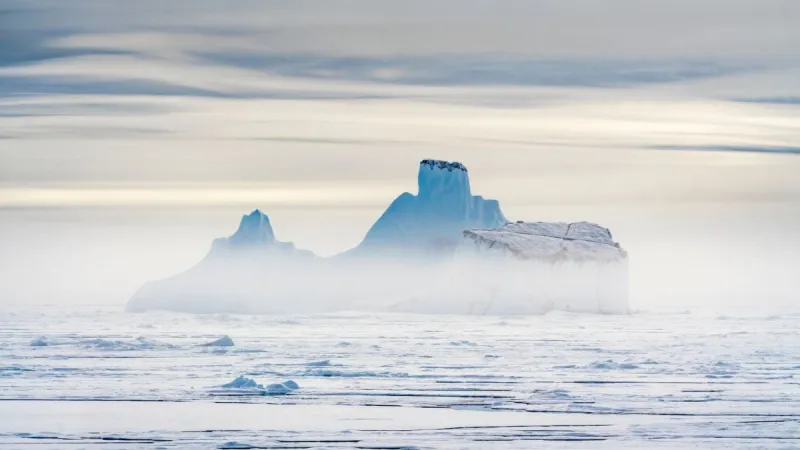
Greenland's glaciers are releasing four times more icebergs than 25 years ago as a result of climate change, with implications extending to maritime traffic and marine ecosystems, researchers said Thursday.
“Our results indicate a direct, climate-driven transformation of deep-sea ecosystems,” said Dr. Maria Jensen, lead author of the study published in Nature Climate Change. The team analyzed satellite data from 2000 to 2025, finding a 300% increase in iceberg calving rates.
The influx of freshwater and sediment from melting icebergs is altering nutrient cycles and habitat structures on the seafloor, potentially affecting species from microbes to fish. “This is a previously underestimated impact of climate change on the deep ocean,” Jensen added.
Maritime authorities in the North Atlantic have reported a 40% rise in iceberg sightings near shipping lanes since 2020, prompting new routing advisories. The study was conducted by the University of Copenhagen and the Greenland Climate Research Centre.