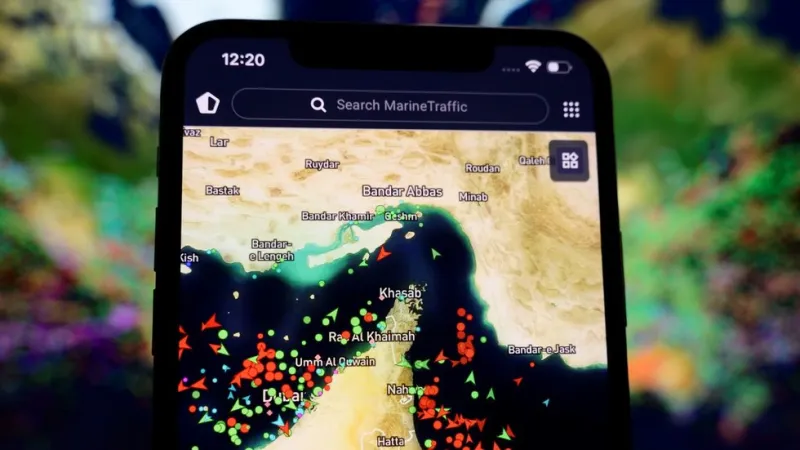
The ongoing Middle East conflict has underscored a fundamental shift in global oil markets: great-power politics now play as significant a role as OPEC quotas and production levels. The Strait of Hormuz, a critical chokepoint through which about 20% of the world's oil passes, has become a focal point of tensions between Iran, the United States, and regional allies.
According to the U.S. Energy Information Administration, approximately 17 million barrels per day of crude oil and petroleum products transited the Strait of Hormuz in 2023. Recent incidents, including the seizure of oil tankers by Iran in April 2025, have heightened concerns about supply disruptions. These events have pushed oil prices above $90 per barrel, according to data from the International Energy Agency.
Analysts at the Center for Strategic and International Studies note that the traditional influence of OPEC, which controls about 40% of global oil production, is being challenged by geopolitical maneuvers. The United States' increased sanctions on Iranian oil exports, combined with China's growing demand, have created a complex web of alliances and conflicts that directly impact energy security.
In response, major oil consumers like Japan and South Korea have accelerated efforts to diversify their energy sources, including investments in renewable energy and strategic petroleum reserves. The European Union has also sought to reduce its dependence on Middle Eastern oil through the REPowerEU plan, aiming to cut Russian and regional oil imports by 2030.
As of May 2026, the situation remains fluid. The International Monetary Fund has warned that any prolonged disruption at Hormuz could trigger a global recession, given the chokepoint's role in supplying Asia and Europe. The old oil order, dominated by OPEC's production decisions, is now intertwined with the unpredictable dynamics of great-power competition.