According to the 2025 United Nations Development Programme (UNDP) Human Development Report, Africa has seen a 30% increase in its Human Development Index (HDI) since 2000, driven by improvements in life expectancy, education, and income. However, the continent still lags behind other regions, with an average HDI of 0.547 in 2024, compared to the global average of 0.739.
Key challenges include persistent inequality, with the gender gap in education and labor force participation remaining wide. The UNDP notes that Sub-Saharan Africa has the highest inequality-adjusted HDI loss globally, at 26%. Additionally, conflict and climate change have slowed progress in several countries, including Sudan and the Sahel region.
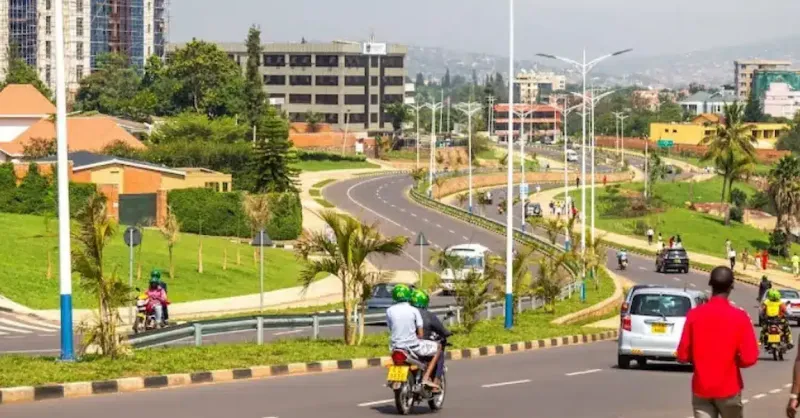
Despite these hurdles, there are bright spots. Countries like Botswana, Ghana, and Rwanda have made significant strides in health and education, with Rwanda achieving near-universal primary school enrollment. The African Union's Agenda 2063 aims to accelerate human development through investments in technology and infrastructure.
The report emphasizes that achieving the Sustainable Development Goals (SDGs) by 2030 will require addressing structural inequalities and fostering inclusive growth. International partnerships and domestic resource mobilization are critical to closing the gap.