France continues to face scrutiny over its perceived inaction on cadmium pollution, a toxic heavy metal classified as a human carcinogen by the International Agency for Research on Cancer. Chronic exposure, primarily through contaminated food, water, and tobacco, is linked to kidney failure, bone disease, and cancer. While regulations like the EU's REACH program restrict cadmium in products, environmental and public health groups argue national enforcement and agricultural policy changes are lagging.
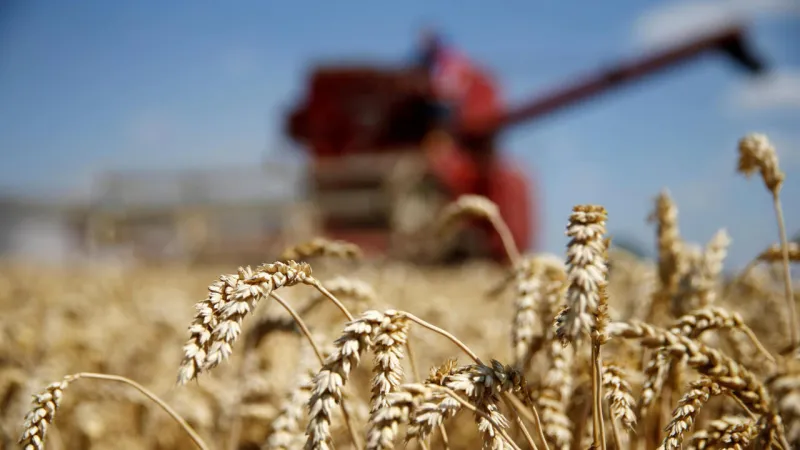
The primary source of human exposure in Europe is through food, particularly cereals, vegetables, and shellfish grown in contaminated soils. A significant portion of this contamination stems from historical use of phosphate fertilizers containing cadmium and industrial emissions. The French Agency for Food, Environmental and Occupational Health & Safety (ANSES) has repeatedly highlighted the risks, noting dietary exposure for some populations, especially children and heavy consumers of certain foods, approaches or exceeds safety thresholds.
Critics point to the availability of solutions, such as phasing out cadmium-containing fertilizers, remediating soils, and stricter controls on industrial discharges. However, implementation has been slow, often citing economic costs for farmers and industry. The European Commission has also urged member states to do more to reduce cadmium levels in foodstuffs.
As of 2026, the situation remains a point of contention. Health advocates demand more aggressive regulatory action and support for farmers to transition to cleaner practices, while the pace of policy change continues to draw criticism for prioritizing economic interests over public health and environmental protection.