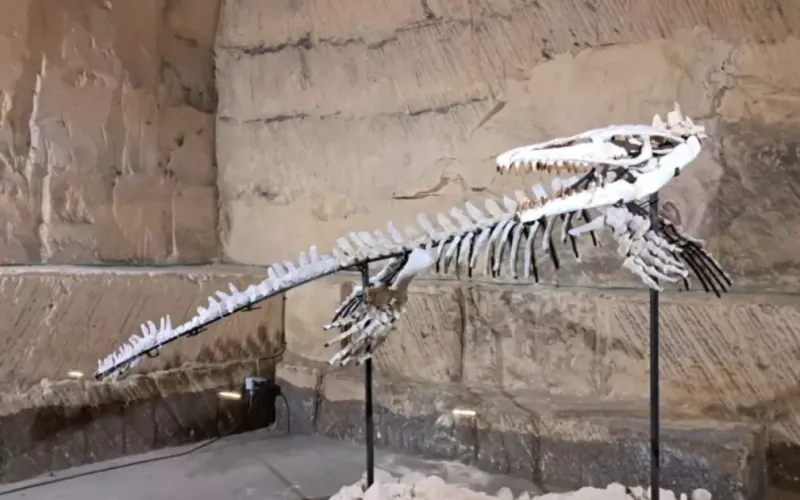
In the small oasis of Erfoud, Morocco, near the Sahara Desert, the fossil trade is a major economic activity. The town, with a population of about 30,000, attracts around 110,000 tourists each year who visit private museums selling ammonites, trilobites, and spinosaurus teeth. However, this commerce is often linked to illegal trafficking of fossils, which are smuggled out of the country.
According to reports, Moroccan authorities have seized thousands of fossils in recent years, including rare specimens from the Cretaceous period. The illegal trade undermines scientific research and cultural heritage, as fossils are often sold to private collectors abroad without proper documentation.
Efforts to regulate the trade have been implemented, but enforcement remains challenging due to the remote location and high demand from international buyers. The Moroccan government has called for stricter controls and international cooperation to protect its paleontological resources.