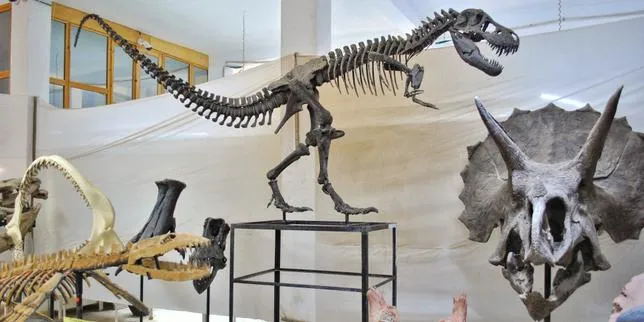
Morocco has emerged as a leading global source of dinosaur fossils, particularly from the Kem Kem Beds in the Sahara, which date back to the Cretaceous period. The trade, often unregulated, generates millions of dollars annually, with specimens sold to private collectors and museums worldwide. Notable finds include the Spinosaurus, whose fossils are highly sought after.
However, the industry faces criticism from paleontologists who argue that commercial excavation leads to the loss of scientific data. Many fossils are smuggled out of the country, bypassing Moroccan laws that require export permits. In 2020, a Moroccan fossil dealer was arrested for attempting to sell a rare dinosaur skeleton online.
Efforts to regulate the trade have been inconsistent. Morocco's Ministry of Culture has implemented some controls, but enforcement remains weak due to the vast desert areas where fossils are found. The government has also considered creating a national museum to showcase the country's paleontological heritage.
Despite these challenges, the fossil trade provides income for local communities in remote areas. Some dealers argue that without commercial interest, many fossils would remain undiscovered. The debate continues between preserving scientific integrity and supporting economic livelihoods.