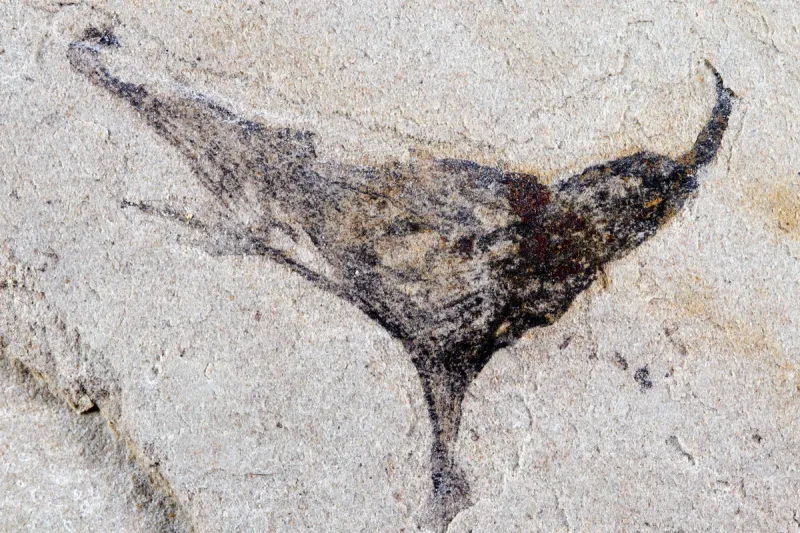
Paleontologists have unearthed a trove of exceptionally preserved fossils on the Scottish island of Kerrera, dating to 425 million years ago. The discovery, detailed in a 2024 study in the Journal of the Geological Society, provides a crucial snapshot of life recovering after the Late Ordovician mass extinction.
The fossils represent some of the earliest known examples of communities of small, shelled animals, including brachiopods and trilobites. Their remarkable preservation in volcanic ash offers unprecedented detail of their soft tissues and ecological interactions, which are rarely captured in the fossil record from this period.
This find challenges previous assumptions about the speed and nature of ecosystem recovery following the extinction event. It suggests that complex marine communities re-established themselves in specific refuges, like the Scottish volcanic island arc, much earlier than the global fossil record had previously indicated.
The research, led by scientists from institutions including the University of Texas at Austin, helps fill a significant gap in understanding how life rebounded and diversified, setting the stage for the later proliferation of life in the Silurian period.