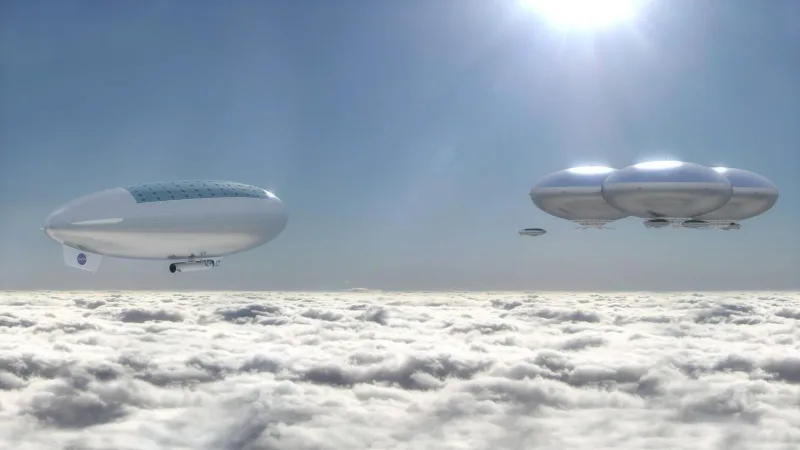
A prototype robotic balloon, or aerobot, designed to one day explore the atmosphere of Venus has successfully completed two flight tests in the Nevada desert. The tests, conducted by NASA's Jet Propulsion Laboratory (JPL) and Near Space Corporation in fall 2022, demonstrated the vehicle's ability to inflate at high altitude and maneuver autonomously.
The aerobot concept is a helium-filled balloon intended to float about 55 kilometers above Venus's surface, where temperature and pressure are more Earth-like. At this altitude, it could potentially operate for months or even years, studying the planet's atmosphere and geology. The recent tests validated the deployment and inflation system, a critical step for any future mission.
Venus presents an extreme environment with surface temperatures hot enough to melt lead and crushing atmospheric pressure. Previous landers have survived only hours. An aerobot offers a promising alternative for long-duration exploration, carrying instruments to analyze cloud chemistry and map surface features from above.
While no mission to Venus using this specific aerobot has been formally scheduled, the successful prototype tests advance the technology for potential future NASA missions. The development is part of ongoing research into innovative platforms for planetary exploration.