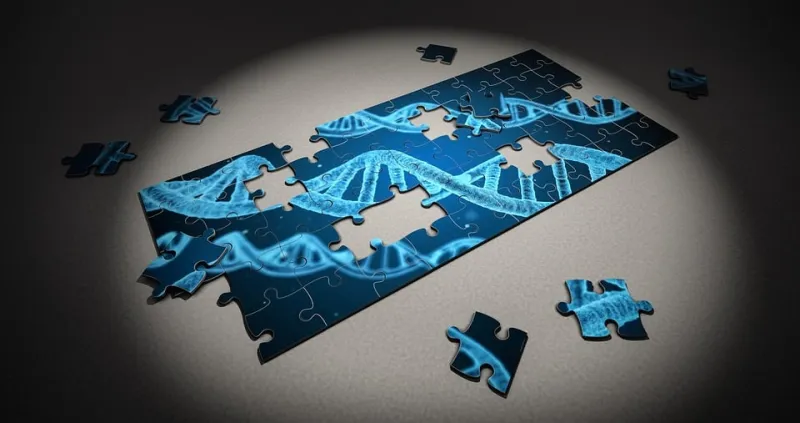
LA JOLLA (July 23, 2026)—Researchers at the Salk Institute and collaborating institutions have unveiled the first comprehensive single-cell genome map of the human body, according to a study published in Nature on July 22, 2026. The map profiles over 1.2 million cells from 30 different tissues, revealing how cells with identical DNA sequences differentiate into specialized types.
“This is the first time we’ve been able to see, at single-cell resolution, how the same genome is interpreted differently across the entire body,” said Dr. Joseph Ecker, a professor at the Salk Institute and senior author of the study. The project, part of the Human Cell Atlas initiative, used advanced sequencing techniques to analyze DNA methylation patterns, which regulate gene expression without altering the DNA sequence itself.
Key findings include the identification of 500 distinct cell types, including rare populations previously unknown. The map also highlights how epigenetic changes contribute to diseases such as cancer and diabetes. “This resource will accelerate our understanding of how cellular diversity arises and how it goes wrong in disease,” added Dr. Ecker.
The data is publicly available through the Human Cell Atlas data portal, allowing researchers worldwide to explore the map. The team plans to expand the atlas to include cells from additional tissues and developmental stages.