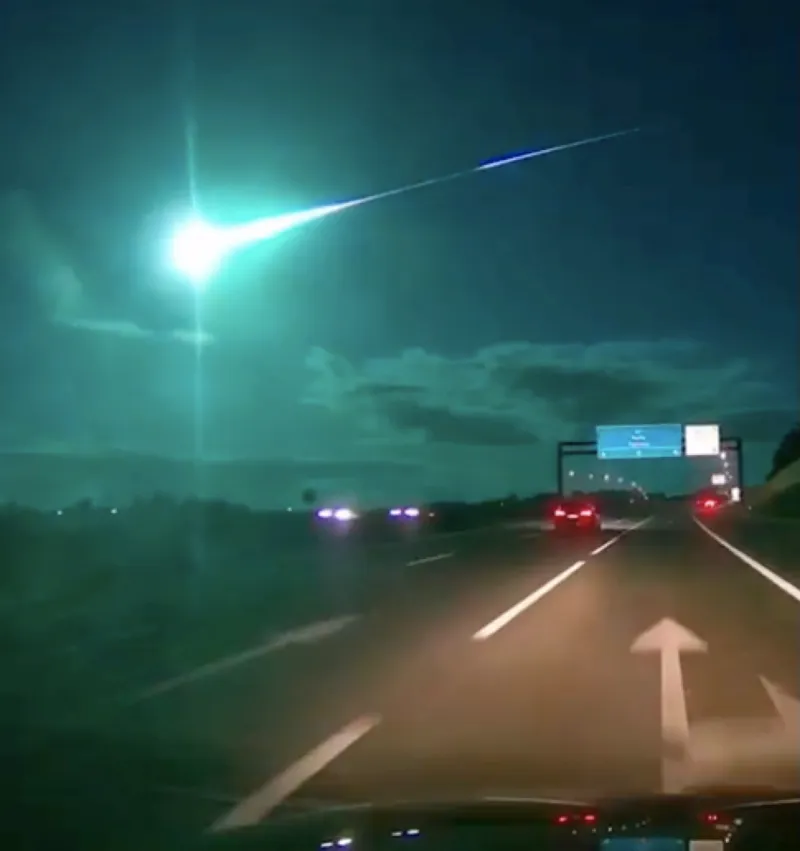
Meteorites, fragments of asteroids or comets that survive their passage through Earth's atmosphere, are invaluable to scientists. They provide direct evidence of the materials that formed the solar system 4.6 billion years ago. The famous Ensisheim meteorite, which fell in Alsace, France, in 1492, is one of the oldest recorded falls and is still displayed in the local museum.
Each year, since 2000, Ensisheim hosts a meteorite fair that attracts enthusiasts from around the world. Collectors and researchers gather to exchange specimens and knowledge. One such enthusiast, Martine Comette, who found a meteorite a year ago, proudly displays her find and her certificate as a 'meteorite guardian' at this event.
Scientific analysis of meteorites has revealed that they contain some of the oldest minerals in the solar system, such as calcium-aluminum-rich inclusions (CAIs), which are dated to 4.567 billion years ago. These inclusions are considered the first solids to condense from the solar nebula.
Meteorites also carry organic compounds, including amino acids, which are the building blocks of life. This has led to theories that meteorites may have delivered the raw materials for life to early Earth.
For the public, meteorites are not just scientific objects but also cultural treasures. The Ensisheim fair is a testament to the enduring fascination with these celestial rocks, bridging amateur collectors and professional scientists.