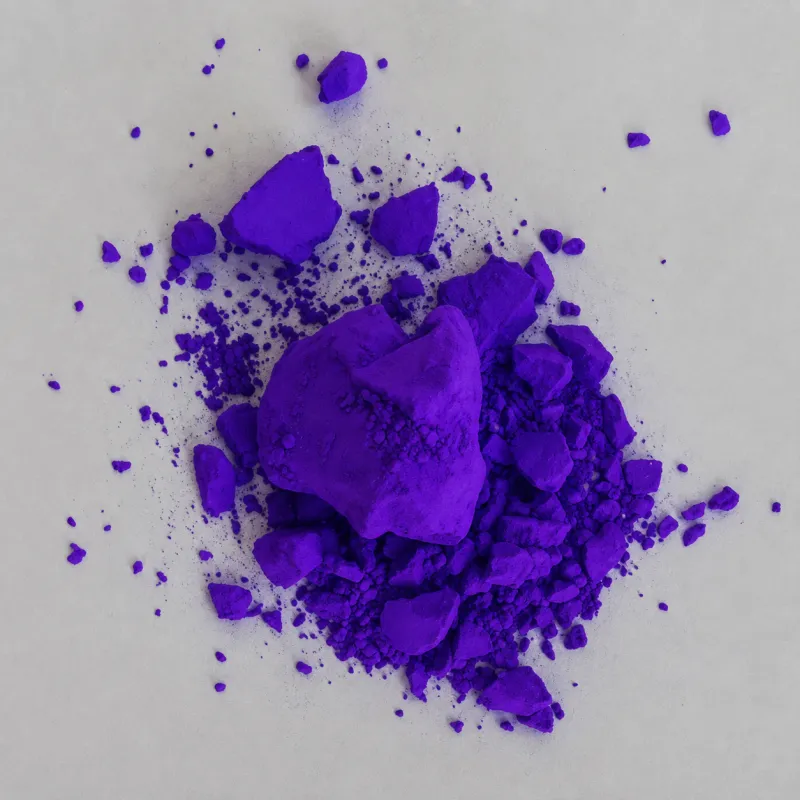
Scientists have unveiled a new purple-colored fabric designed to keep people cool in scorching temperatures without using any energy. The material, developed by researchers at the University of Maryland, uses a special coating that reflects sunlight and emits heat as infrared radiation, a process known as radiative cooling.
In tests, the fabric kept the skin up to 4.5 degrees Celsius cooler than a typical cotton fabric of the same color. The purple hue is achieved by using nanoparticles that absorb visible light in specific wavelengths, while still allowing the material to radiate heat efficiently.
The innovation could have significant applications for outdoor workers, athletes, and people in regions with extreme heat, especially as global temperatures rise. The researchers say the fabric is washable and could be produced at scale, though commercial availability is still a few years away.
This development is part of a broader effort to create passive cooling textiles that do not rely on air conditioning, which consumes large amounts of electricity and contributes to greenhouse gas emissions.