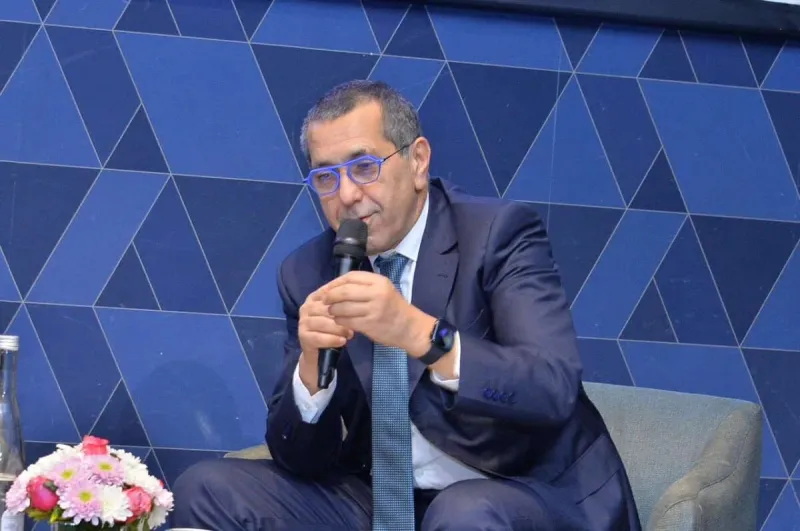
Former Moroccan Minister of Economy and Finance, Fayçal Mekouar, has publicly raised concerns about corporate governance in the country. In recent public remarks, he pointed out that only about 2% of Moroccan companies have certified financial accounts, a figure he questions as being abnormally low for a developing economy.
This statistic highlights a significant gap in financial transparency and auditing standards within the Moroccan private sector. Mekouar, who served from 2007 to 2012, has frequently advocated for stronger economic institutions and better business practices to attract investment and ensure sustainable growth.
Experts note that a low rate of audited financial statements can undermine investor confidence, complicate access to credit, and facilitate opaque business practices. The call for improved certification is seen as part of a broader push for economic modernization and regulatory compliance in Morocco.
While the exact 2% figure is attributed to Mekouar's statement, the issue reflects ongoing discussions about corporate transparency in emerging markets. Improving this metric is considered crucial for integrating more fully into the global economy and fostering a more reliable business environment.